
PURPLE DEAD NETTLE: A Common Wildflower with Quiet Healing Power
Written by: The Appalachian Sage (Hannah Cedars)
Posted in: Herbal Wisdom, Appalachian Remedies & Nature Notes

When the Hills Turn Purple
If you’ve ever driven down a Kentucky backroad in early spring and seen entire fields glowing purple, you’ve met one of Appalachia’s most unassuming healers: Purple Dead Nettle (Lamium purpureum). This delicate wildflower belongs to the mint family. Its square stems and soft fuzzy leaves are easy to recognize once you know what to look for. Unlike its cousin, Stinging Nettle, this one won’t sting your skin — that’s how it got the name “dead.”

Where It Grows
Purple Dead Nettle thrives in open fields, yards, and along country roads. In Kentucky, it begins showing up around March and April and can last through October in cooler shaded spots. Though native to Europe, it’s naturalized across North America and can often be found anywhere the ground has been turned or disturbed.
Traditional Herbal Uses
Disclaimer:
I am not a doctor, and nothing here is intended to diagnose, treat, or cure any condition. This post is for educational and historical purposes only. Always talk with your healthcare provider before using herbs internally or externally.
Our grandparents knew this humble purple flower as more than a pretty weed. It has long been valued for its gentle yet helpful properties: They are as follows:
Diuretic – supports natural elimination
Astringent – tones skin and tissues
Diaphoretic – promotes gentle sweating when the body needs to cool down
Styptic – can help stop minor bleeding when applied to wounds
Mild purgative – supports gentle cleansing
Fresh leaves can be crushed and applied directly to minor cuts, scrapes, or insect bites. You can also make a quick poultice by mashing a few leaves and pressing them under a clean bandage.

How I Use It in My Kitchen
Each spring, I gather a small basket of tender young leaves and either use them fresh in salads or dry them for later. Once dried, the leaves can be crumbled into teas, soups, or smoothie blends. They’re mild in flavor but rich in nutrients — especially vitamin C, iron, and antioxidants.
In our home, I keep a labeled jar of dried Purple Dead Nettle alongside my other wild greens. The grandkids get a kick out of sprinkling it into eggs or smoothies, knowing it came right from our Kentucky soil. Remember: dried herbs are roughly three times stronger than fresh, so you can always use less when cooking or steeping tea.
🌿A Simple Spring Tea
Ingredients:
– 1 tablespoon dried Purple Dead Nettle leaves
– 1 cup hot water
– Optional: honey, lemon, or peppermint leaves
Instructions:
Steep for 5–10 minutes, strain, and enjoy warm or over ice.
🌿Purple Dead Nettle Honey (Beautiful & Tasty)
This one is GORGEOUS — the honey turns a soft rose-gold color.
Ingredients
- 1 cup fresh purple dead nettle tops (flowers + top leaves)
- 1 cup good honey (local if possible)
Instructions
- Pick only clean, bright purple tops.
- Shake gently to remove any tiny bugs.
- Fill a small jar halfway with the nettle tops.
- Pour honey over it until the jar is full.
- Stir gently to remove air pockets.
- Put on a lid and let sit 1–2 weeks.
- Strain or leave the flowers in — either way is beautiful.
Flavor
Light floral honey with a soft earthy undertone.
Perfect on:
- biscuits
- cornbread
- oatmeal
- buttered toast
🌿Purple Dead Nettle Herb Salt (Savory & Beautiful in the Jar)
This makes a wonderful sprinkle for veggies or roasted potatoes.
Ingredients
- 1 cup fresh purple dead nettle
- ½ cup coarse sea salt
- ½ tsp garlic powder (optional)
- ¼ tsp cracked pepper
Instructions
- Rinse nettles quickly and pat completely dry.
- Chop finely.
- Spread on a baking sheet and dry on the lowest oven setting (or air-dry 24 hours).
- Once completely dry, crush them with your fingers.
- Mix with the salt, garlic, and pepper.
- Store in a small shaker jar.
Uses
- sprinkle on fried potatoes
- shake over eggs
- add to soup
- season roasted corn
Adds a pretty speckled green-purple look.
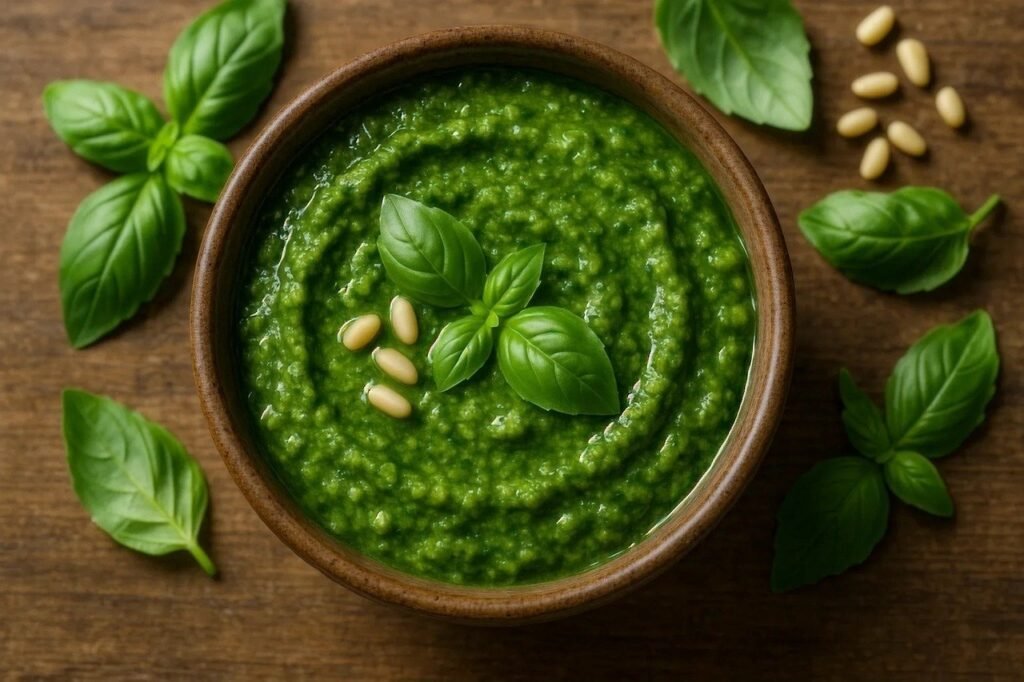
🌿Purple Dead Nettle Spring Pesto
This is STUNNING — bright flavor, beautiful color, and very simple.
Ingredients
- 1 cup young purple dead nettle tops
- ½ cup fresh spinach (mellows the flavor)
- ½ cup fresh Basil
- ¼ cup olive oil
- 1–2 cloves garlic
- ¼ cup grated parmesan
- 1 tbsp lemon juice
- A pinch of salt
Instructions
- Wash and lightly dry the greens.
- Add all ingredients to a food processor.
- Blend until smooth.
- Taste and adjust salt or lemon.
- Store in a jar in the refrigerator for up to 5 days.
Serve it with
- warm bread
- pasta
- chicken
- mashed potatoes
- on a charcuterie board
It has a wild, spring-bright flavor — very “mountain kitchen” in the best way.
Harvesting Tips
– Pick away from roadsides and sprayed areas.
– Choose young leaves before the flowers fade.
– Air dry in a warm, shaded area.
– Store in labeled glass jars out of direct light.
A Note from the Porch
Each season teaches us something. Purple Dead Nettle reminds me that beauty and usefulness often come quietly, tucked in unexpected corners of a field. So next time you see a sea of purple on your drive, slow down a little. You’re looking at one of Mother Nature’s softest healers — and one that’s been part of Appalachian medicine for generations.
— The Appalachian Sage 🌿
Footer Notes
As an Amazon Associate and affiliate for herbal suppliers, I may earn a small commission from qualifying purchases if ever you see links on my blog. This helps keep The Appalachian Sage project growing. You are not charged any extra — my commission is paid directly by Amazon.
Medical Disclaimer:
For educational purposes only. Always consult your healthcare provider before using herbs medicinally.
If you enjoy stories like this, you’ll love the other life lessons & memories I’m sharing on The Appalachian Sage. …………And if you’re ever in the mood to browse something pretty, you can stop by my Etsy shop, The Appalachian Sage Shop, where I pour the same love and kindness into each design.