By Hannah Cedars — The Appalachian Sage™
Introduction to Sage
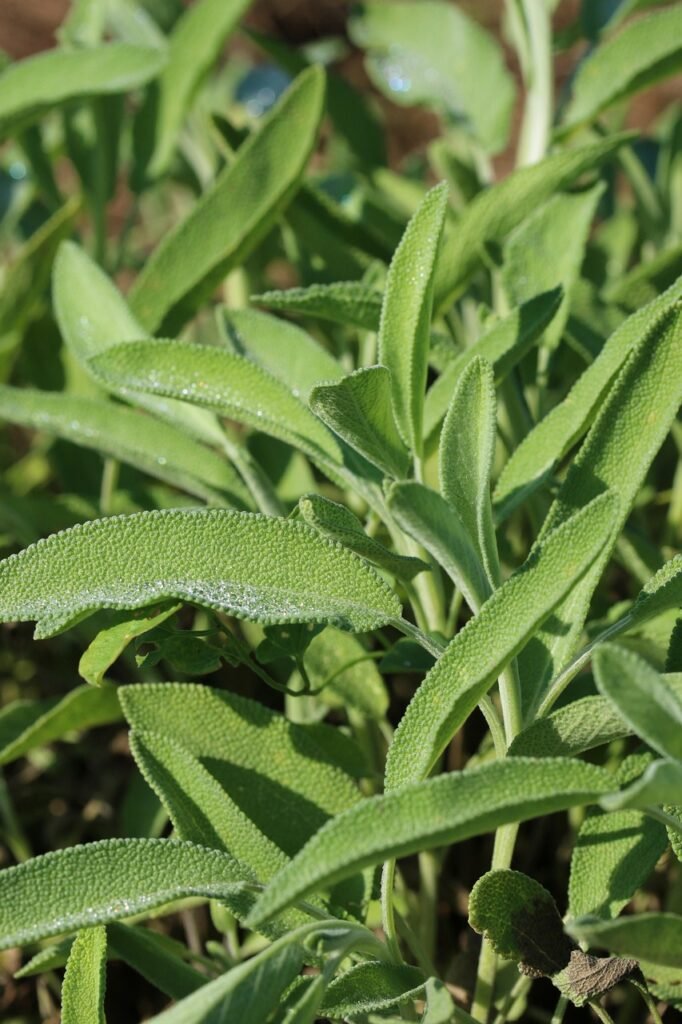
Humans have cherished sage (Salvia officinalis) for thousands of years, making it one of the oldest known herbs. Often called “the herb of wisdom,” sage has carried people through centuries of cooking, healing, folklore, and ritual. Moreover, its soft gray-green leaves and aromatic oils make sage a cornerstone of both Appalachian herbalism and Mediterranean medicine, linking mountain kitchens to ancient gardens through flavor and tradition.
This article explores:
- Sage history and cultural uses
- Where sage grows and popular species
- Sage’s chemical constituents and medicinal actions
- Worldwide culinary traditions
- How to prepare sage tinctures, salves, and infused oils
- How to grow sage successfully
- I included my grandmother’s Old-Time Appalachian Sage Dressing recipe
SAGE — The Wise Evergreen of Kitchen, Medicine & Mountain Lore
There are plants that flavor a dish, and then there are plants that seem to carry wisdom in their leaves. Sage (Salvia officinalis) is one of those—a herb that dances between the kitchen and the medicine cabinet, the garden and the old granny’s rocking chair on a cool morning. Throughout history, people across many cultures have revered sage not just for its flavor but for its influence on the body, mind, and hearth.
Beyond its folklore, the plant belongs to the mint family (Lamiaceae) and grows as a perennial, evergreen shrub with woody stems and soft gray-green leaves that give off a bold, aromatic presence. Originally, Sage was native to the Mediterranean and Middle East, the herb eventually naturalized across Europe and North America, allowing it to weave itself into food traditions and healing practices throughout the world.
🌱 A Global Herb With Ancient Roots
History records sage as a prized herb reaching back to ancient civilizations. For example, the ancient Greeks and Romans valued sage so highly that Pliny the Elder noted its medicinal use for wound healing, digestion, and even as a local anesthetic. In addition, folk records from the Middle Ages describe sage as a plant of wide-ranging virtue, prompting Europeans to cultivate it in monastery gardens for both healing and daily use.
Furthermore, even its scientific name tells a story: Salvia comes from a Latin root meaning “to save,” “to heal,” or “to be in good health.” Furthermore, from medieval gardens to modern kitchens, sage has traveled far and wide in its role as both healer and kitchen companion.
🌿 Species & Varieties — Not Just One Sage
: Though common garden sage (Salvia officinalis) is the most familiar, the Salvia genus is huge—containing more than 900 species that range from savory culinary herbs to ornamental beauties and even spiritual sages used in ceremonial traditions. Furthermore, some well-known types that gardeners and herbalists enjoy include:
- Common Sage (Salvia officinalis) – the classic cooking and medicinal sage.
- Common garden sage is the variety most folks grow in their backyard—soft gray-green leaves, earthy aroma, and a flavor that instantly reminds people of Thanksgiving stuffing. It thrives in Mediterranean climates but adapts beautifully to the American South, Appalachia, and anywhere with well-drained soil and good sunlight. Historically, people in ancient Greece and Rome regarded common sage as a “life extender.” Furthermore, European monks cultivated it in monastery gardens for digestion, sore throats, memory, and protection against infections. As a result, it remains one of the oldest recorded medicinal herbs in Western herbalism
- Today, common sage continues to be favored in kitchens for seasoning meats, soups, and breads, but its medicinal use is just as notable. In fact, Sage contains compounds that support cognitive focus, memory clarity, and healthy digestion. Moreover, herbalists frequently rely on sage tea for sore throats, menopausal hot flashes, and excess sweating. In addition, its potent antimicrobial nature makes it useful in tinctures, salves, and infused oils for minor skin irritations. Consequently, this is the variety your readers think of first and the one most likely in their spice cabinet
- Greek Sage (Salvia fruticosa) – grown for essential oil and cultural uses.
- Wild Clary (Salvia verbenaca) – A fragrant wild sage used in teas and salads, clary sage is a completely different type of sage grown for its towering purple-pink blossoms and prized essential oil. However, unlike common sage, clary sage is not used in cooking. Instead, growers across Europe—especially in France and Bulgaria—cultivate clary sage for its valuable essential oils. Historically, medieval herbalists used the seeds to clarify the eyes (hence “clary”), applying them as mucilaginous drops that helped remove dust or debris.
- Modern herbal practice celebrates clary sage for its profound effects on relaxation, hormonal balance, and emotional grounding. The essential oil is rich in linalyl acetate, giving it a calming, sweet, floral aroma that is beloved in aromatherapy. Additionally, many women turn to clary sage for menstrual discomfort, stress relief, and tension in the body. Although it is not generally consumed like culinary sage, clary sage shines in salves, massage oils, aromatherapy blends, and steams.
- AMERICAN FAVORITE SPECIES
- White Sage (Salvia apiana) – White sage grows naturally in the arid regions of Southern California and northern Baja Mexico. Its leaves are longer, whiter, and more resinous than common sage, carrying an unmistakable sharp herbal aroma. Moreover, Indigenous tribes—especially the Cahuilla, Chumash, and Kumeyaay—have used this plant for generations in prayer rituals, cleansing ceremonies, and medicinal smoke. Because of this long tradition, white sage holds deep cultural significance. Additionally, the plant’s natural habitat is fragile, so sustainability and ethically sourced white sage have become important modern topics.
- Medicinally, white sage differs from culinary sage. It has a stronger camphor-like presence and is traditionally brewed to ease congestion, soothe irritated throats, and support overall respiratory health. Additionally, contemporary wellness circles often use white sage for “smudging,” though culturally respectful sourcing and proper botanical understanding should always be emphasized. Furthermore, white sage offers a meaningful contrast for your blog: a desert herb with spiritual and medicinal lineage distinct from Appalachian culinary sage.
- SPAIN FAVORITE SPECIES
- Spanish Sage (Salvia lavandulifolia) – Spanish sage grows wild across Spain and parts of the Mediterranean, where it is traditionally used for cognitive clarity and sharp mental focus. Additionally, its appearance resembles lavender because of its slender leaves, although the scent remains distinctly sage-forward. Historically, monks and healers relied on Spanish sage to help “lift the mind,” increase alertness, and support long-term brain health. Today, European research continues to explore its ability to enhance memory retention, clarity, and overall cognitive function.
- Medicinally, Spanish sage contains natural compounds that differ from those in common sage, and these differences give it unique properties. It has a lower thujone content, which makes it gentler for internal use, and it includes active components associated with concentration and mood support. Additionally, Mediterranean herbalists commonly prepare Spanish sage as tinctures or teas, and it remains an important plant in modern cognitive herbal formulas. Therefore, readers who enjoy natural brain-supportive herbs will be especially drawn to this variety.
Other ornamental and culinary salvias like pineapple sage (Salvia elegans) and Mexican bush sage (Salvia leucantha).
What’s in Sage? The Chemistry That Makes It Special
At its core, sage’s power comes from its rich chemistry—a tapestry of compounds that give the herb its aroma, taste, and medicinal properties
Thujone is a naturally occurring compound found in sage that contributes to the plant’s strong herbal aroma and antimicrobial activity. It has been historically valued for its ability to help cleanse and protect, acting against unwanted microbes on both the skin and in the environment. Although potent, thujone appears in small, naturally balanced amounts in culinary sage, offering supportive effects without overpowering the plant. It is one of the primary constituents responsible for sage’s traditional role in purification and preservation.
Camphor is a cooling, aromatic compound in sage recognized for its soothing effect on the respiratory system and its ability to refresh the senses. It provides natural antimicrobial and anti-inflammatory support, which makes it useful in salves, chest rubs, and topical remedies designed to ease tension or congestion. Additionally, camphor contributes to the invigorating scent profile of sage by adding a crisp, clean note that enhances the herb’s overall fragrance and therapeutic benefits.
Cineole, often called eucalyptol, is responsible for the sharp, clean, camphor-like aroma found in many aromatic herbs, including sage. It supports clear breathing and healthy respiratory function while also offering antibacterial and antifungal activity. Cineole is commonly associated with improved airflow, throat comfort, and overall respiratory ease, which explains its traditional use in teas, tinctures, and steam preparations. It adds brightness and clarity to sage’s scent and health profile.
Borneol is a gentle aromatic compound found in sage and traditionally valued for its calming, cooling, and analgesic properties. It has a long history in herbal practices for easing muscle discomfort and supporting natural skin repair. Additionally, borneol’s soothing nature makes it especially useful in infused oils and salves, where it enhances sage’s ability to comfort irritated or inflamed areas. Overall, it contributes soft, grounding notes to sage’s essential oil profile
Rosmarinic acid is one of sage’s most powerful antioxidant compounds, recognized for its ability to calm inflammation and protect cells from oxidative stress. Researchers link this constituent to wide-ranging benefits for immune function, skin health, and cognitive support. Additionally, rosmarinic acid contributes to sage’s soothing effects on the throat and digestive system, helping ease irritation and promote comfort. Because of its high antioxidant value, this compound stands as a key component in sage’s strong wellness reputation
Carnosic acid is another highly active antioxidant found in sage, best known for supporting brain health and cellular protection. It helps guard the body from free radical damage and is associated with improved cognitive clarity and long-term neurological support. Carnosic acid also plays a role in stabilizing oils and preserving herbal preparations, contributing to sage’s long-standing use in both culinary and medicinal contexts. Its strength as an antioxidant adds depth to sage’s overall health benefits.
Carnosol is a naturally occurring compound in sage derived from carnosic acid. Researchers note carnosol for its strong antioxidant and anti-inflammatory effects. Its presence enhances sage’s ability to support immune balance, cellular repair, and protection from environmental stressors. Additionally, carnosol adds to the herb’s internal and topical value, making it helpful in formulations aimed at soothing irritation or supporting overall vitality. It contributes to the steady, restorative quality sage is known for.
Flavonoids are plant-based antioxidant compounds, and they play a major role in sage’s protective qualities. These compounds regulate cellular activity, strengthen capillaries, and guard the body against oxidative stress. Flavonoids in sage also support healthy aging, calm inflammation, and help maintain balanced metabolic and immune function. Their gentle nature makes them valuable in many traditional and modern herbal preparations.
Tannins act as astringent plant compounds that give sage its natural ability to tighten and tone tissues. They dry excess moisture, reduce minor bleeding, and form a protective barrier on the skin or mucous membranes. In sage, tannins help soothe sore throats, ease gum irritation, and support skin applications that benefit from mild antibacterial action. Their firming effect also reinforces sage’s long-standing traditional use for reducing perspiration.
α-Pinene is a crisp, pine-scented compound found in sage that supports clear breathing and healthy respiratory function. It is known for its anti-inflammatory and bronchodilating properties, helping to open the airways and promote easier airflow. α-Pinene also contributes antioxidant support and has been associated with improved alertness and mental clarity. Its fresh, uplifting aroma adds brightness to sage’s essential oil profile.
β-Pinene gives sage an earthy, woody aroma and works alongside α-pinene to enhance the herb’s respiratory and antimicrobial benefits. This compound provides natural antiseptic support and helps the body defend against environmental stressors. β-Pinene also deepens sage’s grounding, herbaceous scent and plays a key role in herbal formulations that focus on cleansing, clearing, and supporting healthy inflammation responses.
Limonene gives sage its citrus-like brightness and contributes mood-lifting qualities to the herb. This compound delivers strong antioxidant support, helping maintain immune balance and protect cells from oxidative stress. Limonene’s natural cleansing action makes it valuable in topical preparations and herbal blends meant for purifying and deodorizing. Its refreshing fragrance also adds a light, uplifting note to sage’s overall aroma profile.
Humulene gives sage its warm, woody, slightly spicy aroma and contributes to the herb’s natural anti-inflammatory and calming effects. Herbal traditions use humulene to soothe the body and support comfort in the joints and tissues, and it also provides mild antibacterial activity. This compound adds depth to sage’s scent while strengthening the herb’s grounding and balancing qualities in both internal and topical preparations.
β-Caryophyllene interacts directly with the body’s endocannabinoid system and provides natural calming and anti-inflammatory support. This compound appears in sage, black pepper, and cloves, and it helps ease tension while promoting comfort throughout the body. Additionally, β-caryophyllene adds a warm, peppery undertone to sage’s scent and strengthens the herb’s usefulness in salves, oils, and blends created for relaxation and tissue support.
Linalool gives sage its soft, floral aroma and contributes a soothing, calming effect on the nervous system. This compound promotes relaxation, reduces stress, and supports gentle emotional balance. Additionally, linalool provides mild antimicrobial and antioxidant benefits that increase sage’s value in topical and aromatic preparations. Its delicate fragrance softens sage’s sharper notes and creates a more balanced, harmonized herbal profile.
Linalyl acetate appears in smaller amounts in sage and gives the herb its sweet, soft, soothing aroma. This fragrant ester contributes to the relaxing qualities of many herbs and supports tranquility and calm, even in blends created for tension relief. Additionally, it provides gentle anti-inflammatory and skin-calming effects, making it an important component in aromatherapy oils, balms, and other topical applications that feature sage.
Furthermore, Ursolic acid is a powerful triterpenoid compound in sage that supports skin repair, tissue toning, and healthy aging. Researchers study this compound widely for its anti-inflammatory, antioxidant, and antimicrobial activities, which make it valuable in salves, creams, and herbal skin-care remedies. Ursolic acid also strengthens the skin barrier and may help promote collagen stability. These protective qualities reflect sage’s long history of topical use.
Oleanolic acid is another triterpenoid in sage that delivers strong antioxidant and anti-inflammatory effects. Traditional herbal systems use this compound to support liver health, immune balance, and healthy metabolic function. When applied topically, oleanolic acid soothes irritated skin and promotes natural repair. Moreover, its presence enhances sage’s restorative qualities and strengthens the plant’s overall medicinal profile.
Chlorogenic acid appears in sage as a phenolic compound that delivers antioxidant, antimicrobial, and glucose-balancing effects. This compound supports the body’s defenses against oxidative stress and helps maintain healthy metabolic and cardiovascular function. Additionally, chlorogenic acid contributes to sage’s soothing digestive properties by offering a stabilizing effect on the stomach and intestinal tract. Its presence strengthens sage’s reputation as a versatile wellness herb.
Sage contains small amounts of niacin, a naturally occurring B-vitamin that supports energy metabolism, circulation, and nervous system function. This micronutrient contributes to sage’s gentle uplifting properties and helps maintain healthy skin and cellular energy. Even so, sage is not a major dietary source of niacin, yet it still adds valuable nutritional depth to herbal blends and teas that promote vitality and overall wellness.
Triterpenes are a broad class of natural compounds in sage—including ursolic and oleanolic acids—that offer anti-inflammatory, antimicrobial, and antioxidant support. They play a key role in sage’s ability to tone tissues, soothe discomfort, and support skin integrity. Triterpenes are valued in both traditional and modern herbalism for promoting resilience and aiding the body’s natural repair processes. In turn, their presence gives sage much of its strength in topical and internal applications.
Sage’s essential oils form a powerful blend of aromatic compounds—including thujone, cineole, camphor, and borneol—that create the plant’s signature scent and therapeutic effects. These volatile oils provide antimicrobial, antifungal, and anti-inflammatory support, which makes sage effective in both internal and topical preparations. They also stimulate the senses, support respiratory clarity, and reinforce the herb’s long-standing use in purification and healing traditions. This essential oil profile gives sage its distinct character and potency.
Moreover, the unique combination of these and other compounds explains why sage has been used not only to flavor food but also to soothe sore throats, support digestion, calm coughs, and promote memory and brain health—a connection that modern research continues to explore.
In addition, readers who want deeper scientific insight can explore detailed research on sage’s chemical makeup—including thujone, rosmarinic acid, cineole, and carnosic acid—through the European Medicines Agency herbal monograph: https://www.ema.europa.eu/en/documents/herbal-monograph/salvia-officinalis-herbal-summary_en.pdf
Sage in the Kitchen
Few herbs have traveled as far from the garden to the table as sage. In Europe and the Mediterranean, it serves as a savory staple paired with meats, sausages, and rich autumn squash dishes. Meanwhile, in Britain and America, sage and onion stuffing has become a holiday tradition for roast turkey and chicken.
Fresh sage brings a lively, aromatic punch to meals, while dried sage—though more subdued—remains convenient and dependable. Because a little goes a long way, cooks often reach for sage when they want bold, comforting flavor.

Old-Time Appalachian Sage Dressing (Lucy’s Style)
An Heirloom Family Recipe from the Mountain Kitchen
Ingredients
- 1 pan cornbread, crumbled
- 2–3 cups stale white or sourdough bread, torn into pieces
- 1 medium onion, diced
- 2 celery stalks, diced
- 4–6 tablespoons dried sage (adjust to taste — Lucy always said “a pinch more than you think”)
- 1 teaspoon black pepper
- 1–2 teaspoons salt, or to taste
- 2 eggs, lightly beaten
- 2–3 cups chicken broth (enough to moisten mixture)
- 4 tablespoons butter, melted
- Optional: sautéed giblets or cooked sausage for a richer, old-time flavor
Instructions
- Prepare the breads:
Crumble the pan of cornbread into a large mixing bowl. Add the torn stale bread pieces and gently toss to combine. - Sauté the vegetables:
In a skillet, melt a tablespoon of the butter and sauté the diced onion and celery until softened and fragrant, 5–7 minutes. - Season the mixture:
Add the sautéed vegetables to the bread mixture. Sprinkle in the dried sage, salt, and pepper. Taste the dry mixture — this is where you adjust your sage. (Old Appalachian cooks used a heavy hand.) - Bind it together:
Pour the beaten eggs over the mixture. Slowly add chicken broth while stirring gently until the bread is fully moistened but not soggy. You want a soft, scoopable consistency. - Bake:
Preheat oven to **350°F
Mediterranean Brown Butter Sage Sauce (Burro e Salvia)
A classic Mediterranean–Italian sage dish
Ingredients
- 8 tablespoons (1 stick) unsalted butter
- 12–15 fresh sage leaves
- 1 pound fresh pasta or gnocchi
- 1–2 cloves garlic, lightly crushed (optional)
- Salt and black pepper, to taste
- Freshly grated Parmesan or Pecorino Romano (optional but traditional)
Instructions
- Cook the pasta or gnocchi in salted water until tender. Remember, reserve ¼ cup of the cooking water.
- Melt the butter in a skillet over medium heat. Allow it to bubble, foam, and begin turning golden.
- Add sage leaves to the browning butter. Then, fry them gently for 1–2 minutes until crisp and aromatic.
- Add the crushed garlic if using, letting it infuse for 30–60 seconds.
- Remove from heat and add a splash of the reserved pasta water to create a silky, emulsified sauce.
- Toss in the drained pasta or gnocchi, coating every piece with the sage butter.
- Season lightly with salt and black pepper, then top with grated cheese if desired.

Sage Tea (Traditional Herbal Infusion)
A warm, aromatic tea made from fresh or dried sage leaves.
Ingredients
- You will need 1 tablespoon fresh sage leaves or 1 teaspoon dried sage
- 1 cup boiling water
- Add 1 teaspoon honey (optional)
- 1 teaspoon lemon juice (optional)
Instructions
- Place fresh or dried sage leaves in a heat-safe mug or teapot.
- Pour 1 cup of boiling water over the leaves.
- Cover and let steep for 5–10 minutes, depending on desired strength.
- Strain out the leaves and discard.
- Add honey or lemon juice if desired.
- Serve warm and enjoy immediately.
Notes
- For a stronger infusion, use 1½ teaspoons dried sage or extend steeping time to 12 minutes.
- In order to comfort the throat, add a pinch of salt and sip slowly.
- To cool menopausal symptoms, drink lukewarm rather than hot.
- For additional brewing methods and traditional preparations, visit this sage tea reference from Mount Sinai’s Herbal Database: https://www.mountsinai.org/health-library/herb/sage
🧪 Herbal Preparations: Tinctures, Oils, Salves & More
Sage can be transformed into powerful herbal preparations that retain its medicinal essence:
🌿 Sage Tincture (Traditional Herbal Extraction)
Ingredients
- 1 cup fresh sage leaves OR ½ cup dried sage
- 8–10 oz 80–100 proof vodka (or other clear alcohol)
- 1 clean pint-size glass jar with lid
- Fine mesh strainer or cheesecloth
- Amber dropper bottle for storage
Instructions
- Prepare the jar:
Wash and dry the jar completely. Lightly crumble the sage to expose the oils. - Fill the jar:
Add the sage to the jar until it is halfway full (fresh) or one-third full (dried). - Add alcohol:
Pour vodka over the sage until the leaves are completely submerged by at least 1 inch. - Seal & shake:
Close the lid tightly and shake well. - Steep:
Store the jar in a cool, dark place for 4–6 weeks, shaking once every few days. - Strain:
Pour the tincture through cheesecloth into a clean bowl, then transfer to the dropper bottle.
Usage (traditional)
- Adults typically use 10–20 drops in water, up to 3 times daily.
- Common historical uses: sore throat, digestion support, mild respiratory comfort.
🌿 Sage-Infused Oil (Base for Salves & Massage Oil)
Ingredients
- 1 cup dried sage leaves
- 1½ cups carrier oil
(olive, jojoba, or sweet almond oil work beautifully) - 1 clean pint jar
- Fine mesh strainer
Instructions
- Fill the jar:
Add dried sage to the jar, leaving room for oil. - Add the oil:
Pour oil over the sage until fully covered, leaving ½ inch of headspace. - Warm-infusion method (preferred):
- Place the closed jar in a sunny window for 2–4 weeks, OR
- Place the jar in a warm water bath (very low heat) for 3–4 hours.
Do not boil — low and slow extracts better.
- Shake occasionally:
Move the oils through the plant matter to help extract aromatic compounds. - Strain:
After infusion, strain out the sage and transfer the oil to a clean bottle.
Uses
- Massage oil for chest congestion
- Base oil for salves
- Skin-soothing oil for dry areas
- Ritual anointing oil in folk traditions
🌿 Sage Salve (Healing Herbal Balm)
Ingredients
- 1 cup sage-infused oil (see recipe above)
- 1 oz (about 2 tablespoons) beeswax pellets
- Optional: 5–10 drops lavender or eucalyptus essential oil
- Small tins or glass jars for storage
Instructions
- Melt the beeswax:
Place beeswax and sage-infused oil into a heat-safe bowl or double-boiler.
Warm over low heat until beeswax melts completely. - Add essential oils (optional):
Remove from heat and stir in essential oil. - Pour into containers:
Carefully pour the warm mixture into tins or jars. - Cool:
Allow the salve to cool and harden (about 30–60 minutes).
Uses
- Chest rub for respiratory comfort
- Balm for sore joints or muscles
- Old-time remedy for chapped hands
- Protective barrier salve in winter months
🌎 Sage Around the World
Though Mediterranean in origin, sage has found a home across cultures:
- Used in traditional Asian and Latin American folk medicine for digestive and inflammatory conditions.
- In some cultures, sage tea was so valued it was traded like commodity tea.
- Foundations in European herbalism for age-related conditions, throat and skin inflammation, and diaphoretic (sweat-reducing) uses.
In addition, today, Turkey, Russia, southeastern Europe, and North America are among major regions where sage is cultivated for culinary, medicinal, or ornamental purposes.
🌼 Growing Your Own Sage
Sage thrives in full sun, well-drained soil, and a warm spot—much like the dry hillsides of its native Mediterranean homeland. It generally grows 2–2½ feet tall, blooms in late spring to early summer, and prefers a loose, sandy soil.
In fact, gardeners can harvest leaves as needed, pinch flowers to encourage fuller foliage, and replace older plants every few years to maintain the best yields.
🌿 Closing Thoughts From the Appalachian Sage
Sage is far more than a flavor or a pretty garden plant—it’s a living link to history, healing, and the wisdom of centuries. Whether you’re steeping it in tea, cooking it with fall harvest meals, or making your own tinctures and salves, sage invites you to look deeper at the plants that have stood beside humanity for ages.
Furthermore, sage ranks among the most chemically rich medicinal herbs, containing powerful compounds such as thujone, camphor, rosmarinic acid, carnosic acid, cineole, and a wide range of antioxidants and essential oils. For example, these constituents support digestion, throat health, cognitive clarity, immune function, and overall vitality. Ultimately, understanding sage’s natural chemistry reveals why it has been treasured across the Mediterranean and throughout herbal traditions worldwide.
To explore more about sage’s benefits and learn about each constituent that contributes to this herb’s remarkable wellness profile, visit the American Botanical Council: https://www.herbalgram.org/resources/herb-profile/sage/
If you want to compare sage with other healing botanicals, you can explore my full collection of herbal profiles here: https://theappalachiansage.com/herbs
Soon, we’ll sit down and walk through Thyme, Oregano, and Mullein too—each with its own story, its own medicine, and its own place in the herbal tradition.