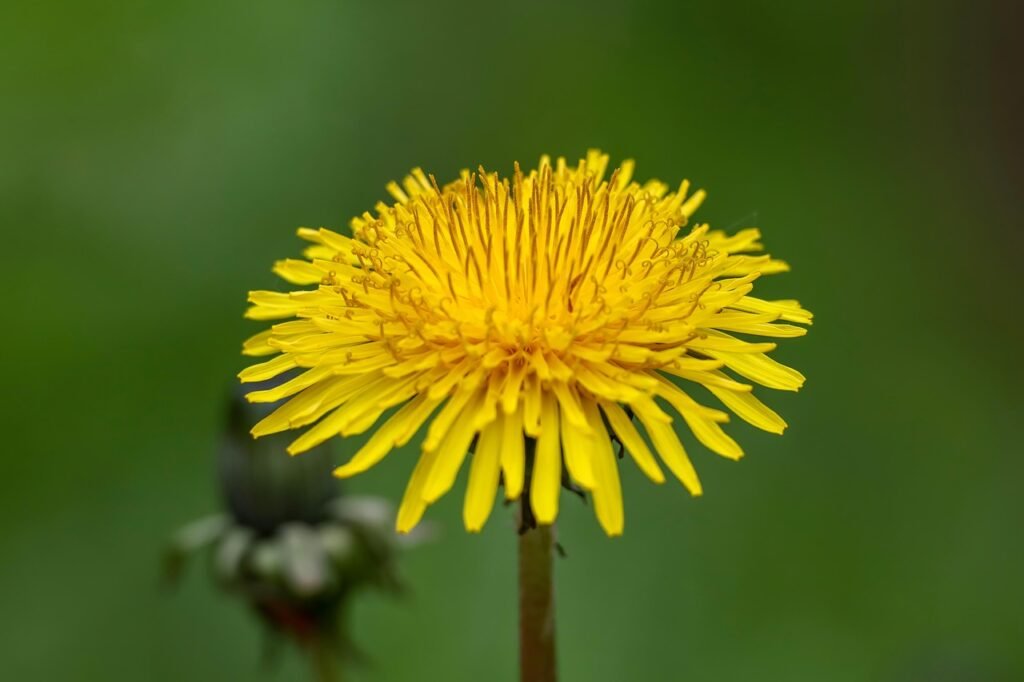
The dandelion is one of the most misunderstood plants on earth.
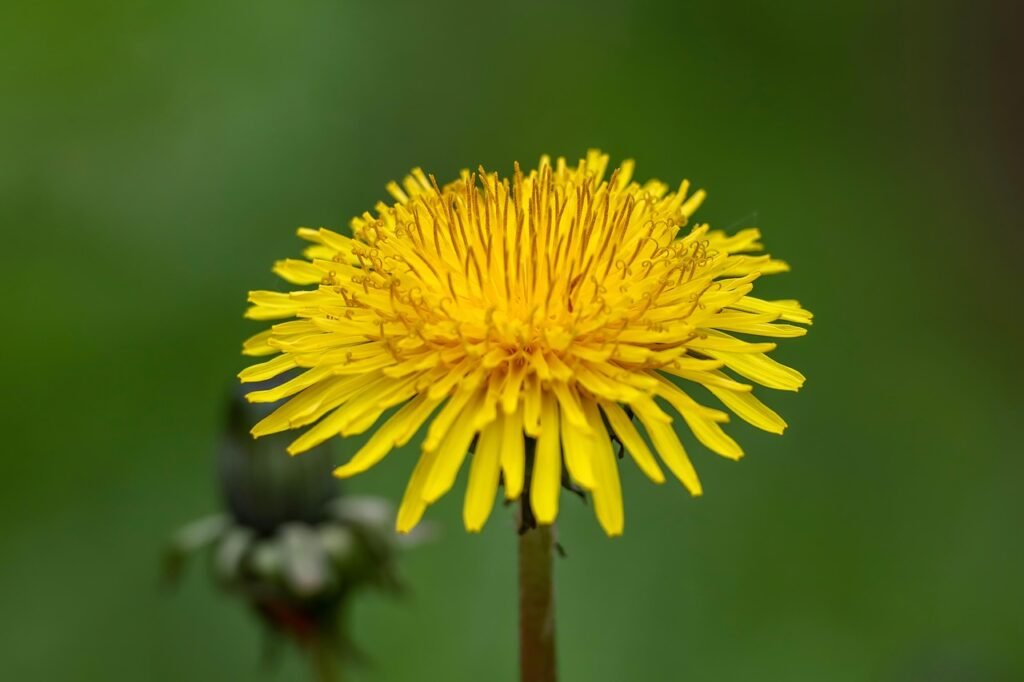
Pulled, sprayed, cursed, and dismissed as a weed, dandelion (Taraxacum officinale) is, in truth, one of the most complete and generous medicinal plants ever given to humans. Every part of it — root, leaf, stem, and flower — serves a purpose.
Across centuries and cultures, dandelion has been used not as emergency medicine, but as daily nourishment, cleansing support, and long-term healer.
Dandelion’s Origin and Global History
Dandelion is native to Europe and Asia, not North America. It traveled across the ocean intentionally with early settlers who valued it as food and medicine.
It naturalized easily in North America because it:
- thrives in disturbed soil
- follows human settlement
- grows wherever people live
This is not coincidence. Dandelion has always followed humans.
Today, it grows across:
- North America
- Europe
- Asia
- parts of Africa
- New Zealand and Australia
Every culture it touched found a use for it.
Dandelion Offers the Whole Pharmacy
Unlike many medicinal plants that focus on one part, dandelion offers medicine in every section.
🌿 Leaves – Cleansing and Nourishing
The leaves are bitter, mineral-rich, and stimulating to digestion and elimination.
Traditionally used to:
- support liver function
- encourage bile flow
- gently increase urine output (without depleting potassium)
- reduce fluid retention
- improve digestion and appetite
They were eaten as food long before they were used as “medicine.”
🌼 Flowers – Skin, Lymph, and Heart
The bright yellow flowers carry a different medicine:
- lymphatic movement
- gentle anti-inflammatory action
- emotional and energetic uplift
- skin healing
Flowers were often infused into oils and honey.
🌱 Roots – Deep Liver and Blood Support
The root is where dandelion’s strongest medicine lives.
Traditionally used to:
- support liver detoxification
- stimulate bile production
- aid digestion of fats
- support blood purification
- nourish the gut microbiome
The root works slowly, deeply, and safely over time.
Key Chemical Components of Dandelion (Expanded)
Dandelion’s power comes from its complex chemistry, not from a single compound.
Bitter Compounds (Sesquiterpene Lactones)
These stimulate:
- digestion
- bile production
- appetite regulation
- liver enzyme activity
Bitters explain why dandelion “wakes up” sluggish systems.
Inulin (Prebiotic Fiber)
Found primarily in the root.
- feeds beneficial gut bacteria
- improves insulin sensitivity
- supports blood sugar balance
- strengthens immune response through gut health
Flavonoids
Including luteolin and apigenin.
- antioxidant activity
- anti-inflammatory effects
- cellular protection
Phenolic Acids
Such as caffeic and chlorogenic acids.
- support liver detox pathways
- protect cells from oxidative stress
Vitamins and Minerals Found In Dandelion (One of Its Greatest Gifts)
Dandelion is nutritionally dense, especially the leaves.
Vitamins
- Vitamin A (beta-carotene) – eye health, immune support, skin
- Vitamin C – immune and connective tissue support
- Vitamin K – blood health and bone support
- B-complex vitamins – metabolic and nervous system support
Minerals
- Potassium (very high)
- Calcium
- Magnesium
- Iron
- Zinc
This is why dandelion nourishes while it cleanses — a rare combination.

Traditional Healing Across Cultures
European Folk Medicine
- liver tonic
- spring cleansing herb
- digestive bitter
- eaten fresh after winter scarcity
Chinese Medicine
- used to clear heat
- support liver and digestive balance
- address inflammation and stagnation
Indigenous North American Use
- adopted quickly after introduction
- used for kidney, liver, and digestive support
- eaten as food, not just medicine
Mediterranean and Middle Eastern Traditions
- sautéed greens
- soups and stews
- tonic wines and vinegars
Modern Medicine (Without Naming It)
Today, dandelion is:
- a primary ingredient in liver-support formulations
- used in digestive bitters
- included in detoxification protocols
- recognized for prebiotic gut support
Its actions are studied, standardized, and respected — even when its name is not printed on the label.
Preparations and How They’re Used
🍵 Dandelion Tea
- Leaf tea: gentle daily nourishment
- Root tea: deeper liver and digestive support
Roasted root tea is caffeine-free and often used as a coffee substitute.
🌿 Tinctures
- Concentrated liquid extracts
- Used for liver, digestion, and metabolism
- Taken in small daily doses
🧴 Salves and Oils
- Flower-infused oil for skin
- Used for sore joints, dry skin, lymphatic massage
- Gentle and safe for most people
Food Recipes from Around the World
🌼 Dandelion Greens Sauté (Europe & Mediterranean)
- Olive oil
- Garlic
- Lemon
- Salt
Served as a spring tonic dish.
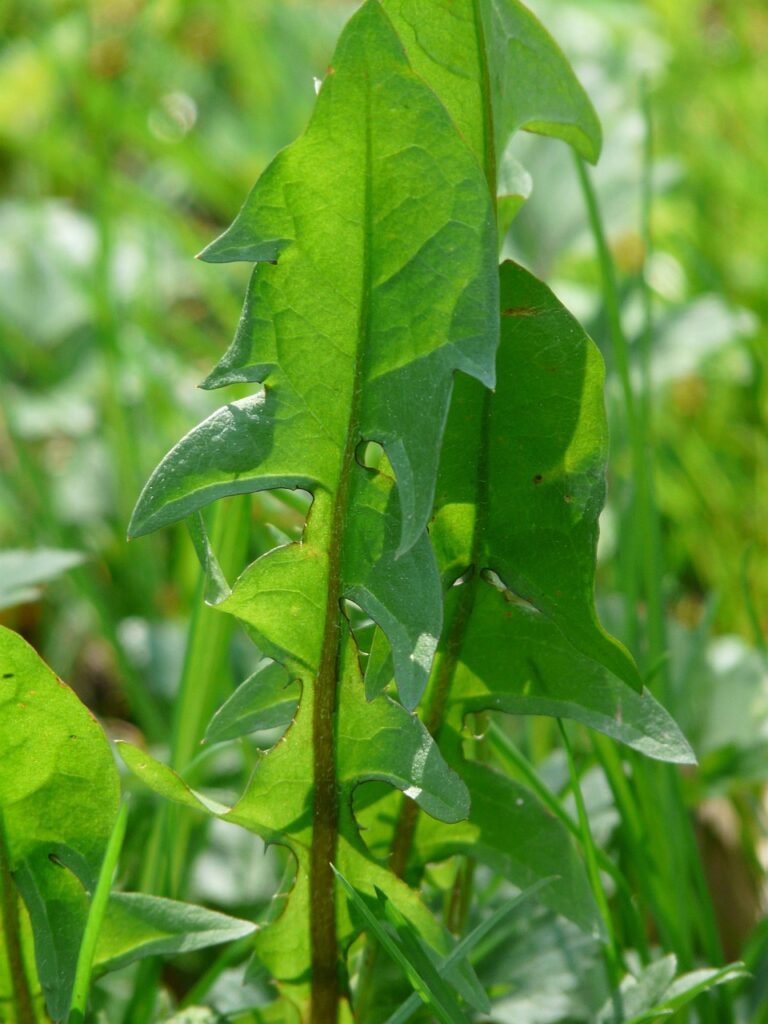
🌿 Dandelion Leaf Salad (France & Italy)
- Young leaves only
- Olive oil, vinegar, egg, cheese
- Classic bitter salad for digestion
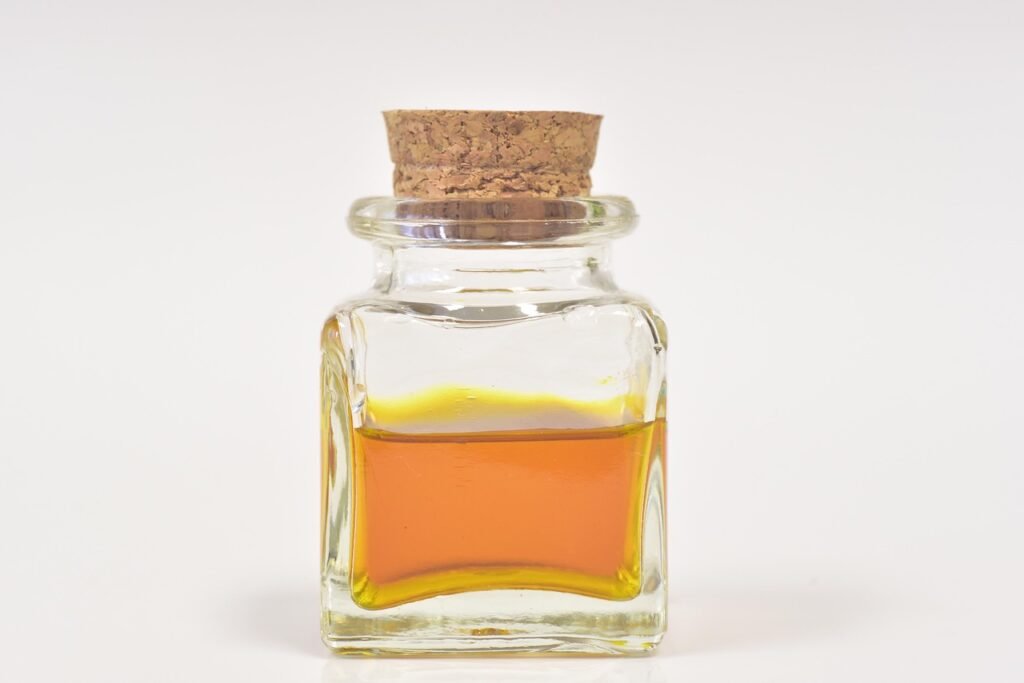
🍯 Dandelion Flower Honey (Eastern Europe)
- Flowers simmered and sweetened
- Used as cough support and tonic

☕ Roasted Dandelion Root “Coffee”
- Roots cleaned, chopped, roasted
- Brewed like coffee
- Supports digestion without caffeine
Why Dandelion Endures
Dandelion doesn’t work fast.
It works faithfully.
It doesn’t force the body.
It reminds it how to function.
It nourishes while it cleanses.
It strengthens while it releases.
That is why it has never disappeared — no matter how hard humans try to eradicate it.
A Plant That Grows Where It’s Needed
Dandelion grows where soil is compacted.
Where land has been disturbed.
Where systems need repair.
It heals the earth — and then offers the same medicine to us.
That is not coincidence.
That is design.
If you enjoy stories like this, you’ll love the other life lessons & memories I’m sharing on The Appalachian Sage. …………And if you’re ever in the mood to browse something pretty, you can stop by my Etsy shop, The Appalachian Sage Shop, where I pour the same love and kindness into each design.