🌿 What Solomon’s Seal Is
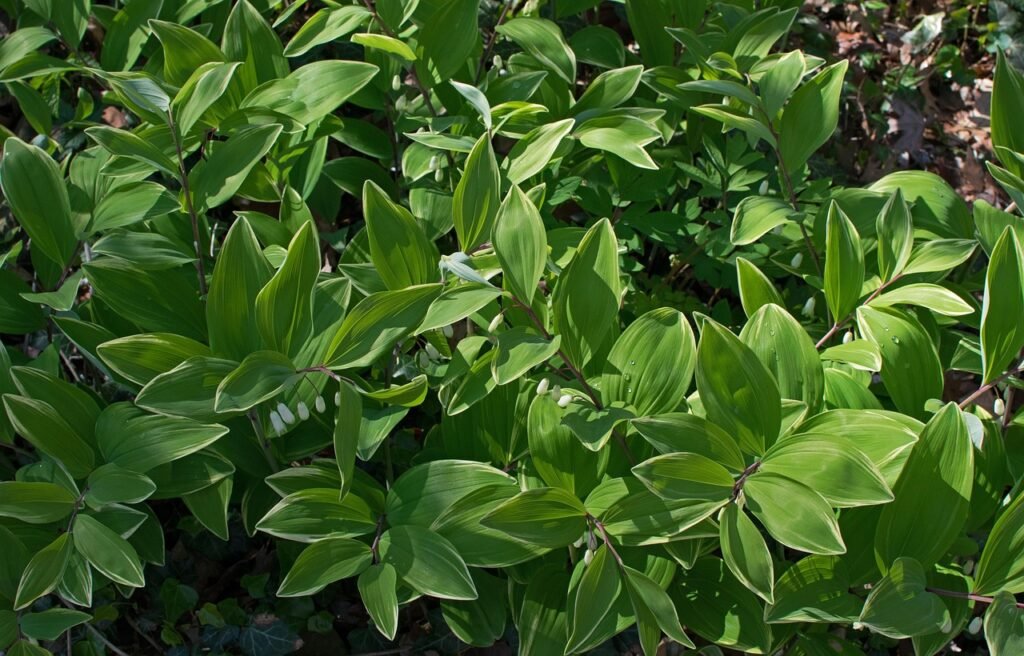
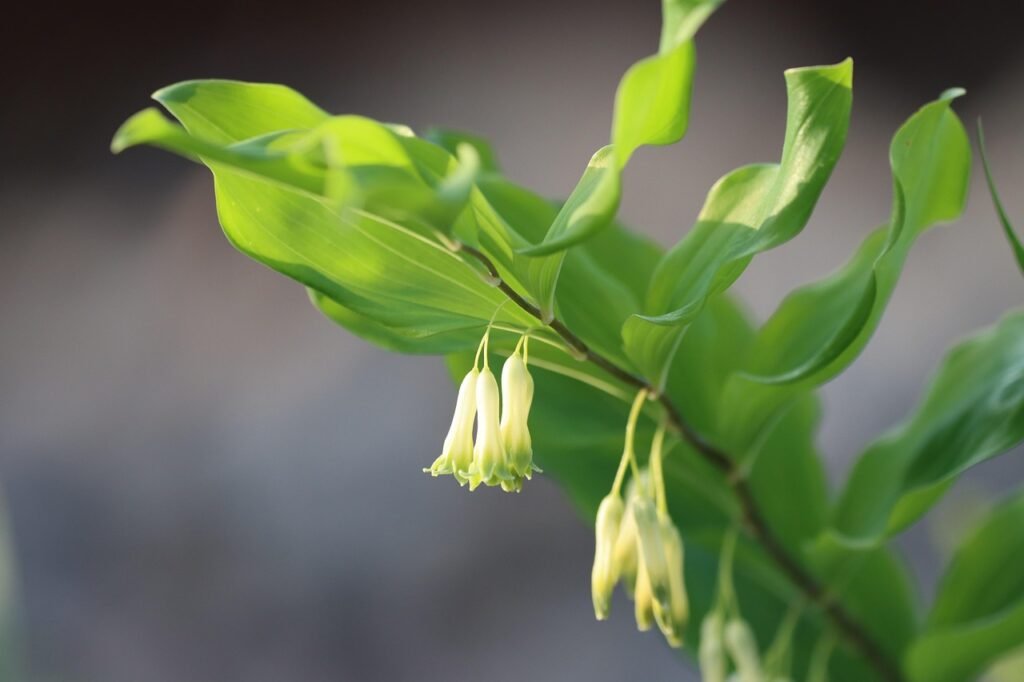
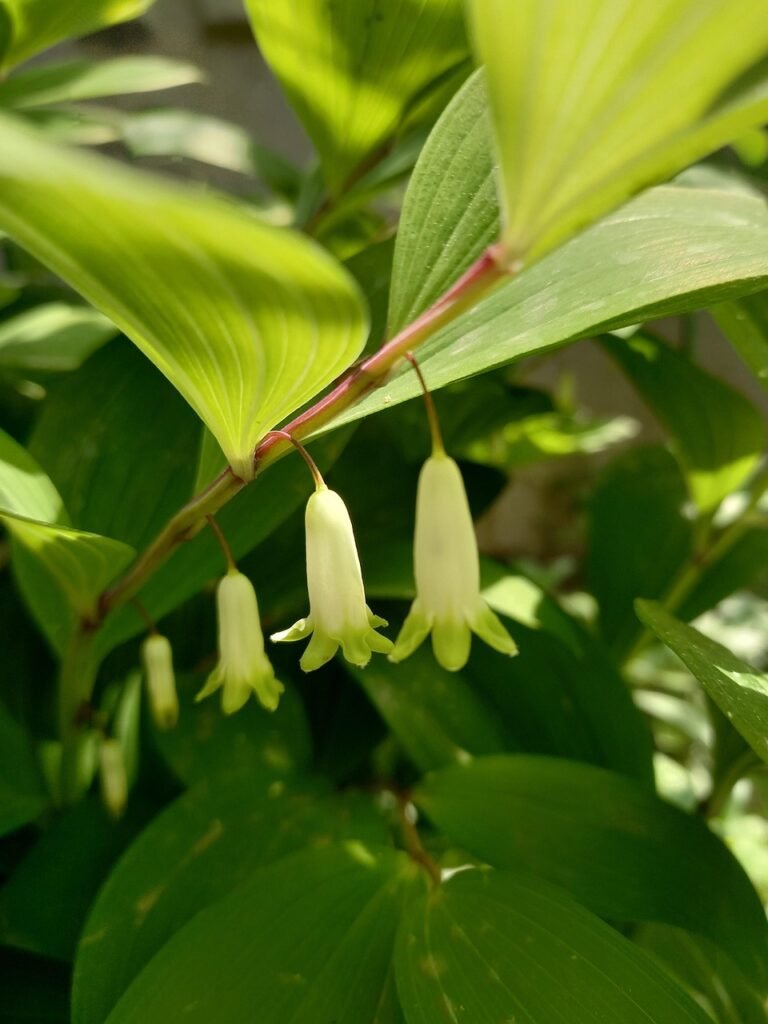
Solomon’s Seal refers to a group of plants in the Polygonatum genus, most notably Polygonatum biflorum in eastern North America. This wild plant is part of the asparagus family, known as Asparagaceae. It’s a shady woodland perennial with gracefully arching stems and dangling, bell-like flowers in the spring. Its thick underground rhizomes (root structures) bear scars that resemble ancient seals, which is where the name comes from.
Solomon’s Seal prefers rich woods, shaded hillsides, moist soil near streams, and other temperate forest habitats — which is why it was naturally part of the Appalachian healing landscape.
🌎 Where It Grows and Its Origins
- Native Range: Eastern and central North America
- Habitat: Rich woodland soils and shaded forests like those in Appalachia
- Other Species: Related Solomon’s seals grow across the Northern Hemisphere — in Europe, Asia, and North America — and many have medicinal traditions.
Solomon’s Seal is found naturally throughout the Appalachian Mountains and further across the eastern U.S., in places with deep woods and consistent moisture. Appalachian foragers and healers knew it well because it was literally underfoot in the forest.
💫 Why Appalachian Healers and Folk Herbalists Valued It
Solomon’s Seal was respected not just as a herb, but as a plant with deep restorative power. Its reputation grew from how it seemed to heal deep injuries and steady the body where other herbs were weak.
Core Traditional Uses
Appalachian healers, “granny witches,” and folk herbalists used it for:
- Joint, tendon, and ligament health — especially sprains, repetitive strain, and pulled muscles
- Bone and connective tissue repair
- Arthritis, back pain, and structural injuries
- Bruises, swelling, and internal healing after injuries
- Respiratory issues like coughs and dry lungs
- Digestive soothing and mucous membrane support
- Women’s reproductive support (soothing PMS, regulating menstruation)
- General tonic for nourishing and restoring the body
These uses were held in observation-based tradition rather than formal science — but they stood the test of generations of observation by mountain healers.
🌱 What’s Actually in Solomon’s Seal
Solomon’s Seal’s actions come from a mix of active plant constituents:
- Saponins and steroidal glycosides — help soothe tissues and support connective strength
- Mucilage polysaccharides — provide a cooling, soothing coating to tissues
- Allantoin — supports skin and tissue regeneration and has gentle anti-inflammatory effects
- Asparagine, gum, starches, and pectin — provide nutritive and demulcent (soothing) qualities
These compounds help explain why the plant was trusted for both internal and external injury support.
🌿 Traditional Preparation Methods
Here are the main ways Appalachian healers and modern herbalists prepare and use Solomon’s Seal.
🧴 1. Solomon’s Seal Tincture
Best for: deep internal joint or connective tissue support, chronic injuries, and tonification.
Traditional method:
- Wash and chop fresh or dried root pieces.
- Place in a clean jar.
- Cover with high-proof alcohol (e.g., vodka or brandy) at about a 1:2 ratio (herb to alcohol).
- Seal and store in a cool, dark spot for 4–6 weeks, shaking daily.
- Strain and store the dark tincture in amber bottles.
How to use: 3–5 drops up to 3–5 times daily, more for acute injury areas if needed.
🍵 2. Solomon’s Seal Tea (Infusion)
Best for: respiratory support, mucous membrane soothing, gastrointestinal comfort, and gentle tonification.
Hot infusion method:
- Place ½ teaspoon ground dried root into a cup.
- Add hot water and steep ~10 minutes.
- Strain and sip slowly.
This tea is demulcent, meaning it soothes irritated membranes.
Cold infusions can also be made to preserve more mucilage.
🧴 3. Salves and Compresses
Best for: sprains, bruises, skin irritations, and localized inflammation.
- Soak chopped root in oil for several weeks.
- Strain and mix with beeswax to make a salve.
- Apply to the affected area for deep tissue support.
Alternatively, a hot or cold compress can be used directly on skin.
🍲 4. Edible Uses (Traditional Food)
Some Solomon’s Seal species were historically dietary foods:
- Native American groups ground the starchy rhizomes into flour or baked them into breads.
- Young shoots can be eaten like asparagus when cooked.
Treat food uses with caution and proper identification, especially since berries from some Solomon’s Seal species are poisonous.
Solomon’s Seal Bread (NOT TO BE EATEN….EDUCATIONAL PURPOSES ONLY!)
(Indigenous Woodland–Style Preparation)**
This is a traditional-style reconstruction based on ethnobotanical records from Eastern Woodland Indigenous peoples (including Cherokee-adjacent, Iroquoian, and Algonquian cultures), not a modern survival recipe.
🌎 Who Used Solomon’s Seal as Food — and Why
Cultures
- Eastern Woodland Indigenous peoples (pre-colonial)
- Including groups in what is now:
- Appalachia
- Ohio River Valley
- Great Lakes region
Why They Used It
Solomon’s Seal rhizomes are:
- Starchy
- Nutritive
- Mildly sweet when cooked
- Available in early spring and fall, when other foods were scarce
To them, it was not “medicine food” — it was subsistence food with strengthening qualities.
⚠️ Critical Safety Context (Important)
- Only the rhizome (root) was used
- Berries are poisonous
- Species identification mattered
- Roots were never eaten raw
- Processing removed bitterness and irritation
This knowledge was cultural, inherited, and precise.
🌾 Traditional Processing Method (Key Step)
Before any bread could be made, the rhizomes were:
- Dug carefully
- Washed thoroughly
- Slow-roasted or boiled
- Dried completely
- Pounded or ground into flour
This processing:
- Converts starches
- Removes irritation
- Makes it digestible
🍞 Indigenous-Style Solomon’s Seal Root Bread
(Historical Reconstruction)
Ingredients
- Dried Solomon’s Seal rhizome flour
- Ground nuts or seeds (acorn, hickory, walnut)
- Water
- Optional wild sweetener:
- Maple sugar
- Honey
- Dried berries (non-toxic types)
No yeast — this was a dense, nourishing flatbread.
Preparation
- Make the Root Flour
- Dried rhizomes were pounded using stone mortars
- Resulted in a coarse, fibrous flour
- Mix Dough
- Root flour + nut meal
- Enough water to form a stiff paste
- Sweetener added only if available
- Shape
- Flattened into small cakes or patties
- Cook
- Baked on hot stones
- Or cooked in ashes
- Or pan-dried over low fire
- Eat
- Often dipped in broth
- Or eaten with dried meat
- Sometimes stored as travel food
🧠 What This Bread Was For (Not Just Calories)
Indigenous use wasn’t casual. This bread was eaten:
- During recovery from illness
- After long journeys
- During times of scarcity
- As a strengthening food, not daily fare
This overlaps with later Appalachian understanding of Solomon’s Seal as a restorative plant.
🏔️ How This Knowledge Reached Appalachia
Early Appalachian settlers:
- Learned from Indigenous neighbors
- Adapted some food uses
- But mostly shifted Solomon’s Seal toward medicine, not bread
By the 1800s, it was rarely eaten as food and became:
- A tonic
- A joint healer
- A women’s restorative
🪶 Spiritual & Symbolic Layer
While not a “spell bread,” Solomon’s Seal food carried meaning:
- The knotted root symbolized continuity
- The seals marked years of survival
- Eating it was seen as taking in endurance
This is why some oral traditions called it:
“The root that remembers.”
⚠️ Modern Disclaimer (Respectful & Necessary)
I want to be clear and responsible:
- Do not attempt this without expert guidance
- Do not substitute species
- Modern herbalists do not recommend casual consumption
- This recipe is for historical and educational understanding
Today, Solomon’s Seal is best honored as:
- A medicinal ally
- A teacher plant
- A story-keeper
Why This Matters for Your Work
This bread:
- Anchors Solomon’s Seal in real Indigenous life
- Shows it wasn’t mystical fantasy — it was survival
- Bridges food, medicine, and spirit
- Adds depth and credibility to Appalachian herbal narratives
🧡 How Appalachian Folk Viewed It
🪶 Symbolism and Folklore
Solomon’s Seal wasn’t just a healing tool — it had folklore attached:
- The rings or “seals” on the roots were thought to carry protective energy and connection to ancient wisdom, likened by some to old seals used in mystic inscription.
- Some Appalachian folk believed it could draw structures back into alignment — a symbolic echo of the way the plant “knits tissue back together.”
- In African American herbal traditions, related concepts appeared where it was seen as a strengthening and protective root in magical charms.
While it wasn’t a “spell herb” in the way witchcraft traditions canonize plants, it was treated with respect and care. It seemed to “hold” and restore, not just soothe.
⚠️ Safety Notes (Beginner Importance)
- The rhizomes are the primary medicinal part; the berries and aerial parts can be toxic and should not be eaten.
- Start with small doses and observe effects.
- Consult a qualified herbalist if pregnant, nursing, or on medications — especially those affecting blood sugar, as Solomon’s Seal may interact.
- Long term or very large doses can cause digestive discomfort.
🌿 Why Solomon’s Seal Still Matters Today
Solomon’s Seal is a perfect example of a plant with deep traditional roots and holistic wisdom:
- It supports the body’s repair systems
- It soothes tissues, mucous membranes, and joints
- It carries a quiet restorative energy, grounded in tradition rather than hype
For anyone exploring holistic herbalism — especially Appalachian or woodland tradition healing — Solomon’s Seal is a cornerstone plant worth reverent study and careful practice.
If you enjoy stories like this, you’ll love the other life lessons & memories I’m sharing on The Appalachian Sage. …………And if you’re ever in the mood to browse something pretty, you can stop by my Etsy shop, The Appalachian Sage Shop, where I pour the same love and kindness into each design.