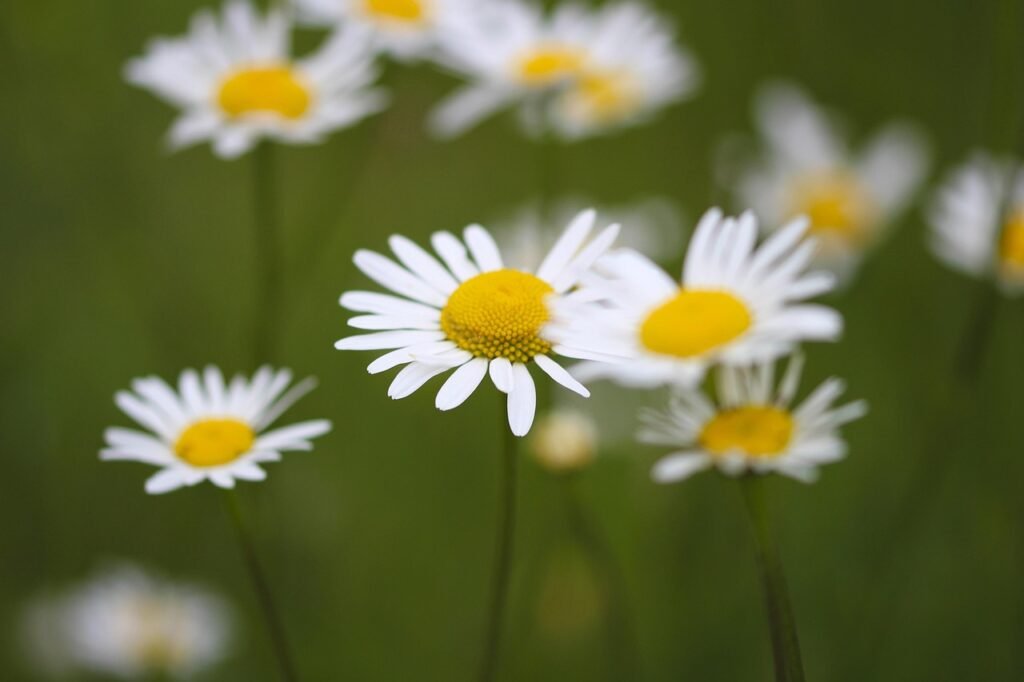
Daisies are often dismissed as simple wildflowers — cheerful, common, and decorative. But for centuries, folk healers across Europe, Appalachia, and rural America recognized daisies as quiet healers, especially for pain, inflammation, bruises, and emotional weariness.
Gentle Medicine from an Unassuming Flower
They are not dramatic plants.
They don’t overpower the body.
They soothe, mend, and comfort.
That is exactly why they endured in traditional medicine.
🌼 What We Mean by “Daisy”
Several plants are commonly called daisies. In traditional healing, the most important include:
- Common Daisy (Bellis perennis)
- Oxeye Daisy (Leucanthemum vulgare)
- Shasta Daisy (hybrid, less medicinal)
Folk medicine most often relied on common daisy and oxeye daisy, both of which grow freely in meadows, yards, and mountain clearings.
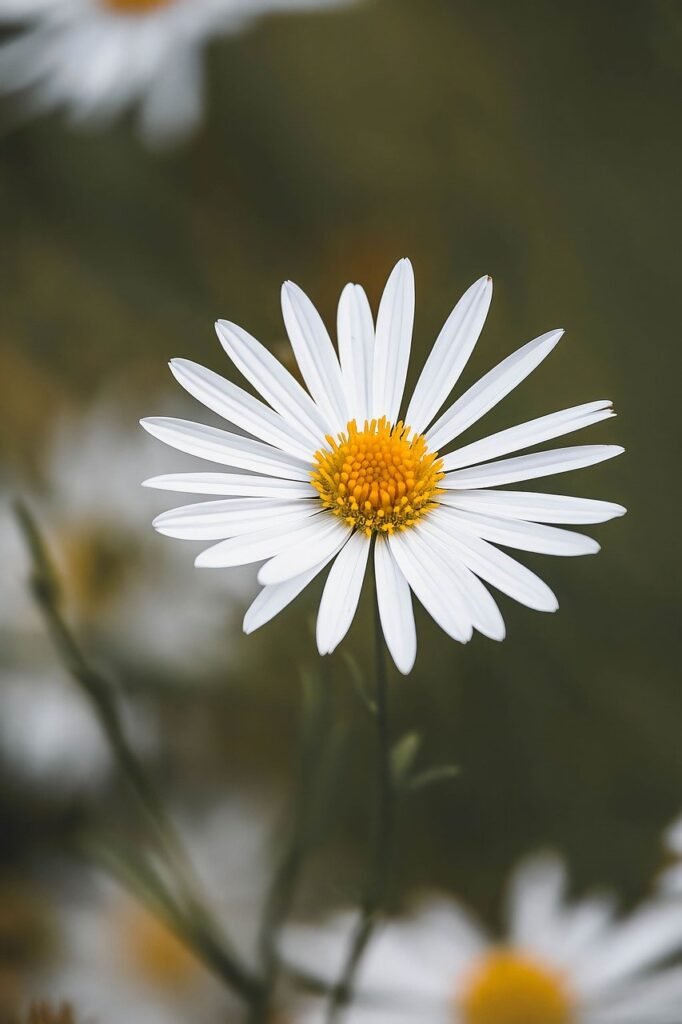
The Common Daisy, Oxeye Daisy, and Shasta Daisy differ mainly in size, petal shape, and flower center. The common daisy is small and low-growing, with short white petals (often tinged pink) and a rounded yellow center that looks slightly domed; it grows close to the ground and feels delicate. The oxeye daisy is much taller and wilder, with longer, thinner white petals and a large, flat yellow center, giving it a bold, open look common in fields and roadsides. The shasta daisy is a cultivated hybrid bred for gardens, featuring very large flowers, broad, crisp white petals, and a prominent, well-defined yellow center; it looks fuller, sturdier, and more polished than its wild relatives. In short: common daisies are small and gentle, oxeye daisies are tall and wild, and shasta daisies are large and ornamental.
🌿 Traditional Healing Uses of Daisies
1. Bruises, Sprains & Muscle Pain
Daisy was sometimes called “poor man’s arnica.”
Used for:
- Bruises
- Muscle soreness
- Sprains
- Minor injuries
- Overworked bodies
Mountain people applied daisy poultices or salves after long days of labor — especially when arnica wasn’t available.
2. Inflammation & Swelling
Daisies contain compounds that help:
- Reduce swelling
- Calm irritated tissues
- Ease minor joint pain
They were used externally for:
- Puffy injuries
- Stiff joints
- Inflammation after strain
3. Skin Healing
Daisy preparations were applied to:
- Minor wounds
- Scrapes
- Dry or irritated skin
- Slow-healing bruises
The plant was known to “draw healing up through the skin.”
4. Respiratory & Cough Support
Taken internally (in tea or syrup), daisies were used for:
- Mild coughs
- Chest tightness
- Congestion
Not a strong expectorant, but a gentle soother.
5. Digestive & Liver Support
In folk practice, daisy tea was used to:
- Support digestion
- Gently stimulate the liver
- Ease sluggish digestion
This was especially true in spring, when people used mild herbs to “wake the body up.”
🌱 Key Plant Components (Beginner-Friendly)
Daisies work because of a simple but effective set of natural compounds:
🌼 Flavonoids
- Anti-inflammatory
- Antioxidant
- Support circulation and tissue repair
🌼 Saponins
- Help reduce congestion
- Support mild immune response
- Aid absorption of other compounds
🌼 Tannins
- Astringent (tighten tissues)
- Helpful for wounds and bruises
- Support skin repair
🌼 Essential oils (trace amounts)
- Contribute to calming effects
- Mildly antimicrobial
Nothing harsh. Nothing extreme.
Daisy medicine works because it respects the body’s pace.
🏔️ Daisies in Appalachian Folk Healing
In Appalachia, daisies were not “witch herbs” or spell plants. They were household plants — part of the quiet knowledge passed down by mothers and grandmothers.
Used especially for:
- Children’s bruises
- Farm injuries
- Muscle aches
- Emotional fatigue
A common belief was:
“Daisies help when the body’s been knocked about.”
They were trusted because they were safe, familiar, and abundant.
🌼 Folk Preparations
🌿 Daisy Tea (Internal)
Used for: mild coughs, digestion, gentle cleansing
- Fresh or dried flowers
- Steep 1–2 teaspoons per cup
- Drink 1–2 cups daily short-term
Mild, slightly bitter, grassy taste.
🌿 Daisy Poultice (External)
Used for: bruises, swelling, sore muscles
- Crush fresh flowers and leaves
- Apply directly to skin
- Cover and leave for 20–30 minutes
🌿 Daisy Oil & Salve
Used for: massage, bruises, joint soreness
- Flowers infused in oil
- Made into a salve with beeswax
- Applied gently to affected areas
This was a staple “first-aid salve” in some households.
🌼 Emotional & Symbolic Healing
While daisies weren’t used for formal spells, they carried symbolic healing meaning:
- Innocence
- Renewal
- Resilience
- Quiet strength
They were believed to help with:
- Emotional shock
- Grief after hardship
- Weariness of the spirit
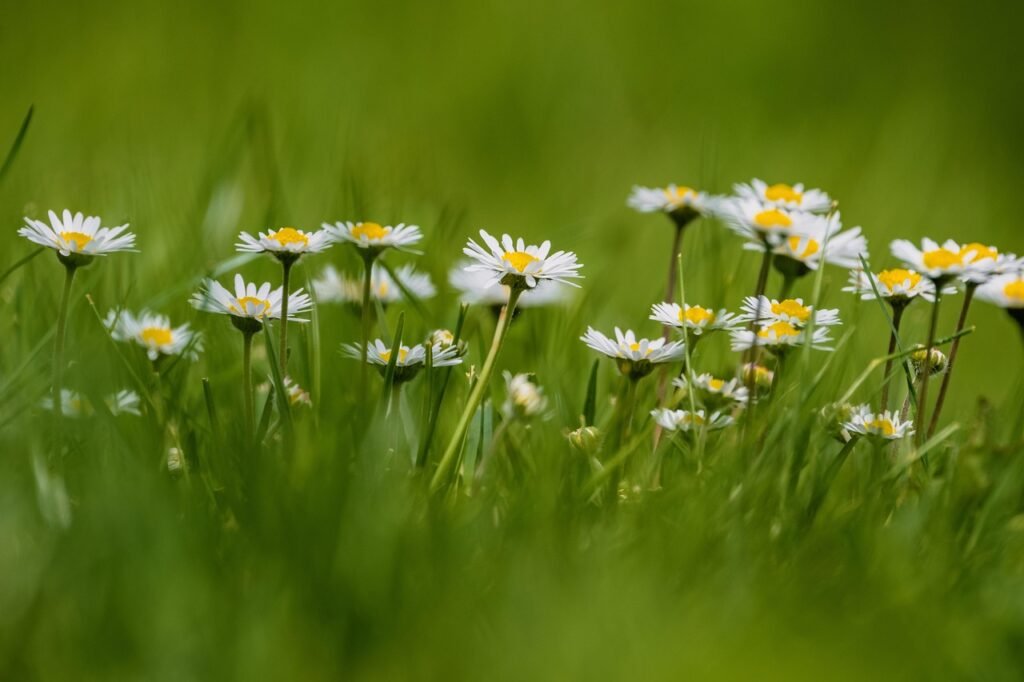
Daisies grow back quickly, even after mowing or trampling — and people noticed that.
⚠️ Safety Notes
- Generally very safe
- Avoid if allergic to plants in the aster family
- Use moderation internally
- Correct identification is important
🌿 Why Daisies Still Matter
Daisies remind us that:
- Healing doesn’t have to be dramatic
- Common plants can be powerful
- Gentle medicine has a place
They don’t shout.
They comfort.
In a world that often seeks extremes, daisies offer balance — and that’s real medicine.
If you enjoy stories like this, you’ll love the other life lessons & memories I’m sharing on The Appalachian Sage. …………And if you’re ever in the mood to browse something pretty, you can stop by my Etsy shop, The Appalachian Sage Shop, where I pour the same love and kindness into each design.