Dipsacus fullonum
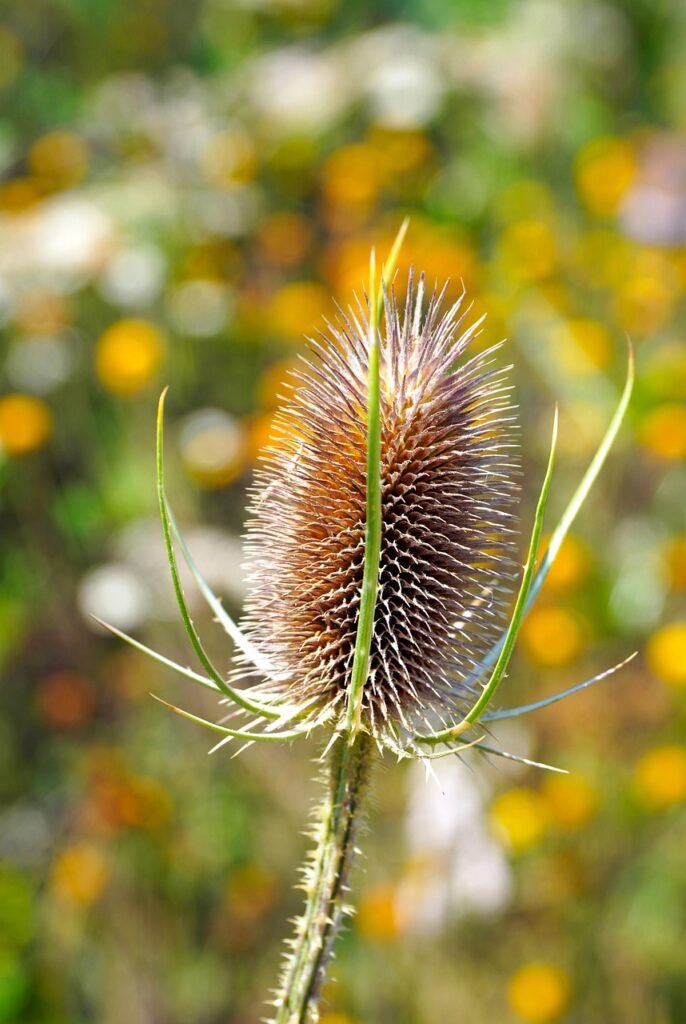
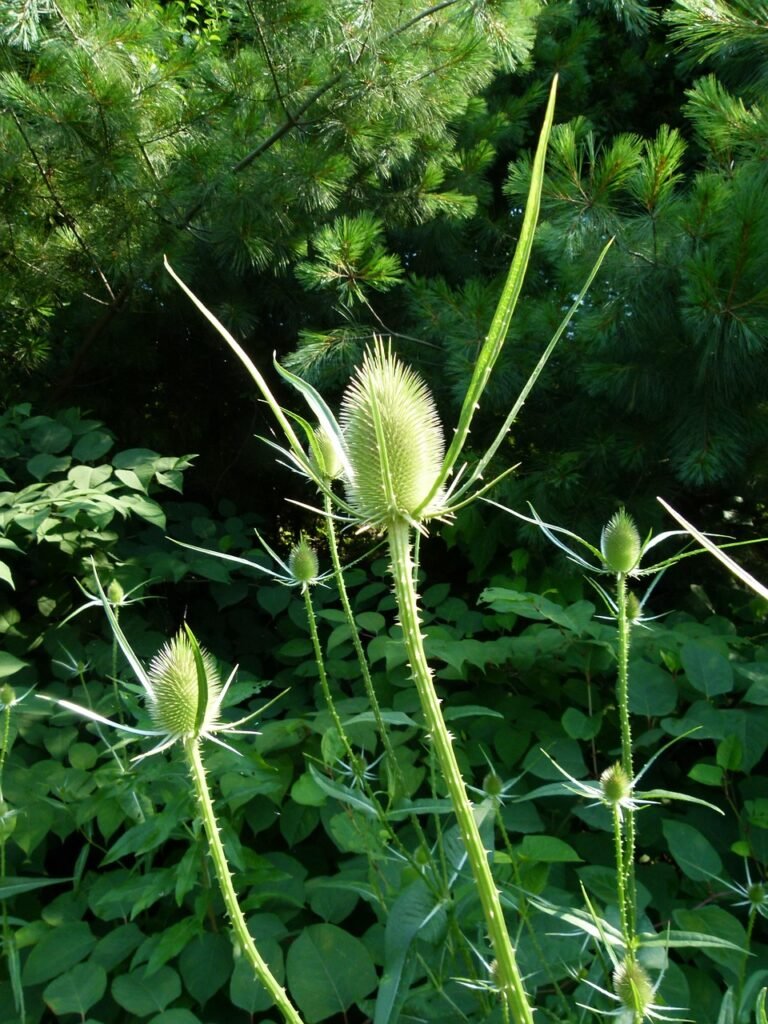
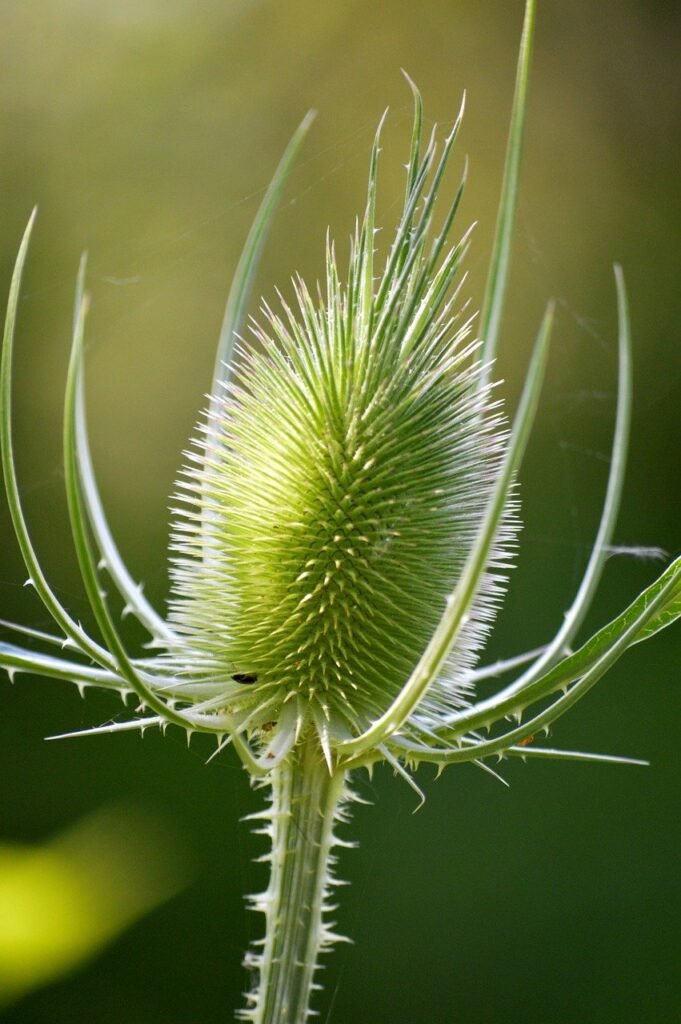
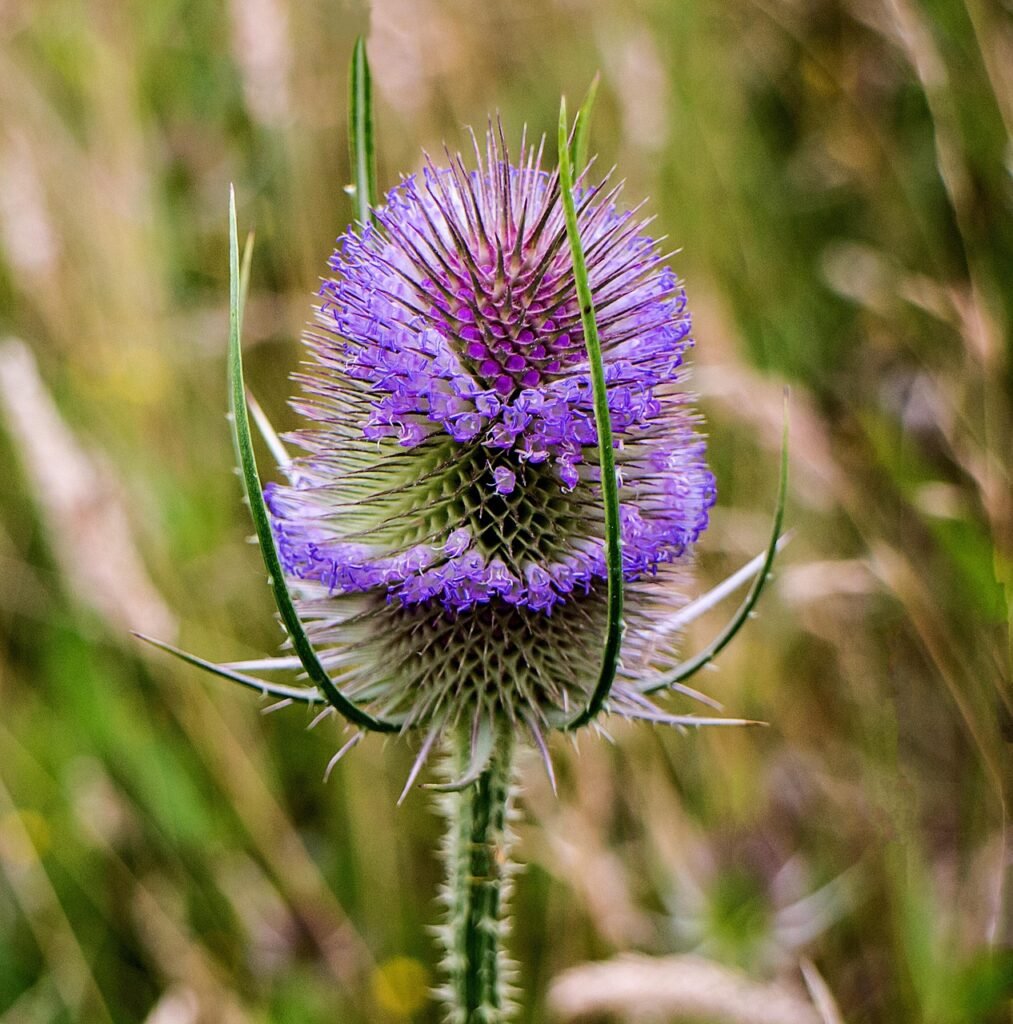
Teasel (Dipsacus fullonum and Dipsacus sylvestris) is a striking wild plant found along roadsides, old fields, forest edges, and abandoned homesteads across North America, Europe, and parts of Asia. Although its tall, spiny appearance makes it easy to overlook as just another weed, teasel root has been used for centuries in traditional folk medicine to support structural wellness, circulation, and the body’s natural response to deep-tissue discomfort.
Historically, teasel was relied upon by herbalists when individuals struggled with lingering fatigue, musculoskeletal sensitivity, stiffness, or long-standing immune stress. Over time, it became known as a warming, grounding herb that “brings the body back into itself,” especially during periods of chronic depletion or weakness. Today, teasel remains a cherished plant in modern herbal practice, particularly for those needing steady, gentle support for the bones, joints, and connective tissues.
Natural Components Found in Teasel Root
(Placed here for consistency with your knotweed and hops articles)
Teasel root contains a unique constellation of phytochemicals that herbalists believe contribute to its restorative qualities. To begin with, these plant compounds are known for assisting the body’s response to microbial challenges, improving circulation, and supporting long-term tissue recovery.
1. Iridoids (Loganin, Sweroside)
These bitter compounds are believed to support immune modulation and overall resilience.
Additionally, iridoids help stimulate digestive processes and nourish the body’s restorative functions.
2. Inulin (a prebiotic fiber)
Inulin helps support gut balance and nourishment.
Furthermore, this fiber contributes to teasel’s grounding, stabilizing quality.
3. Saponins
These compounds may support healthy inflammatory responses and help regulate immune activity.
4. Phenolic Acids
Known for antioxidant support, these compounds help buffer the body against oxidative stress.
5. Tannins
Tannins offer mild astringent qualities, which traditional herbalists have used to help tone tissues and support digestive wellness.
6. Alkaloids
Present in lower concentrations, teasel alkaloids assist with stimulating circulation and warming the body internally.
7. Glycosides
These constituents help with absorption, distribution, and transport of compounds within the circulatory system.
Taken together, these constituents give teasel its reputation as a deeply restorative herb used in long-term wellness support protocols.
Traditional & Modern Uses of Teasel Root
(Compliant: No disease names, no claims)
Teasel root has long been associated with supporting the body through persistent, long-standing wellness challenges, particularly in situations involving:
- deep-tissue fatigue
- chronic stiffness
- musculoskeletal imbalance
- nervous system exhaustion
- systemic microbial stress
As a result, teasel is commonly used by herbalists when the body needs gentle stimulation to restore vitality, improve circulation, and bring “energy” and warmth back into depleted tissues.
Additionally, some modern herbal practitioners include teasel as part of protocols used for individuals navigating complex wellness journeys following certain insect bites. They value teasel for its ability to gently mobilize the body’s natural detoxification pathways and support improved tissue integrity.
How Teasel Is Used: Teas, Tinctures, Capsules, and Salves
1. Teasel Root Tea (Mild Internal Support)
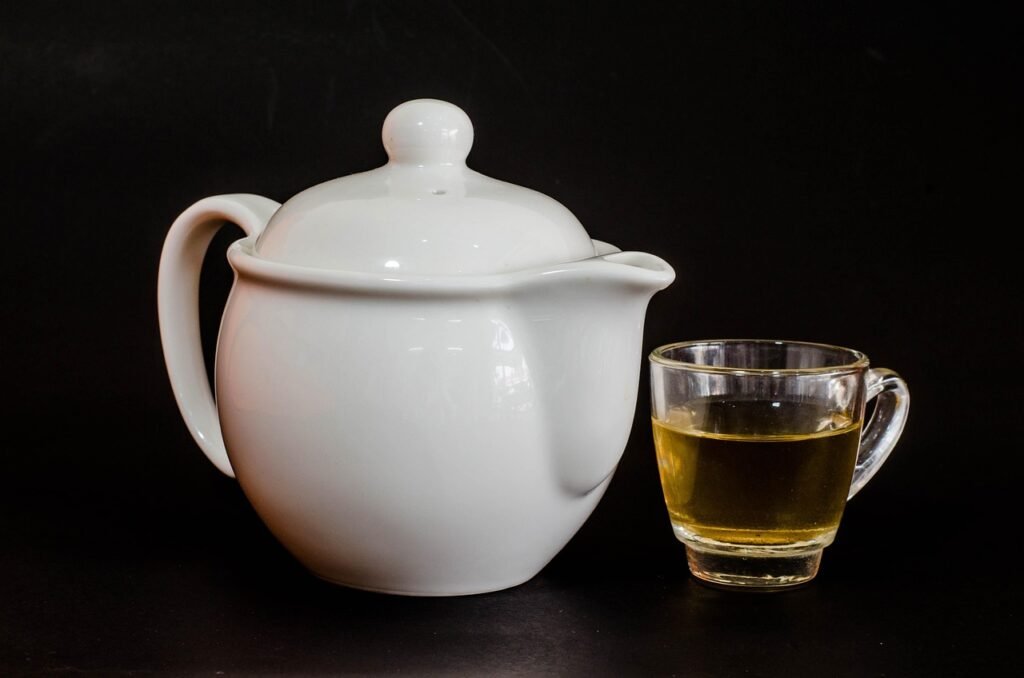
Teasel root tea is more subtle than tincture but offers grounding support.
Ingredients:
- 1 teaspoon dried teasel root
- 1 cup hot water
- Honey optional
Instructions:
- Pour hot water over the dried root.
- Cover and steep 15–20 minutes.
- Strain and sip slowly.
As a note, teasel root is quite bitter; some people prefer tinctures instead.
2. Teasel Root Tincture (Most Common Method)
Ingredients:
- Dried teasel root
- 40–50% alcohol (vodka or brandy)
- Glass jar
Instructions:
- Fill jar halfway with dried, chopped teasel root.
- Cover completely with alcohol.
- Seal and shake gently.
- Store 4–6 weeks, shaking occasionally.
- Strain and bottle.
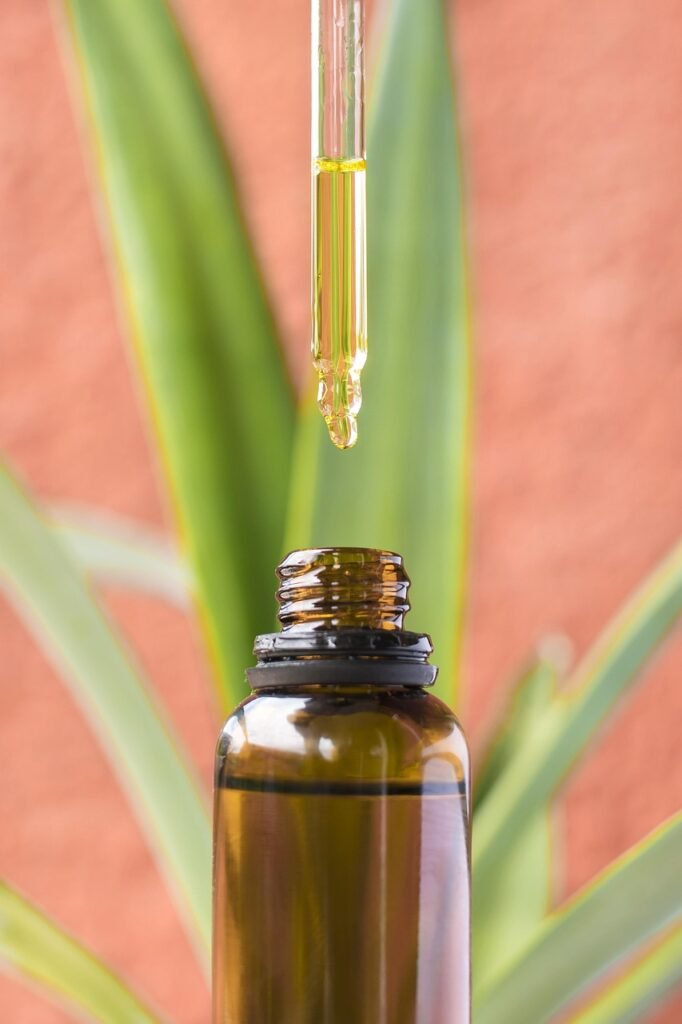
Traditionally, tincture is taken in very low amounts, slowly increasing over time depending on individual response.
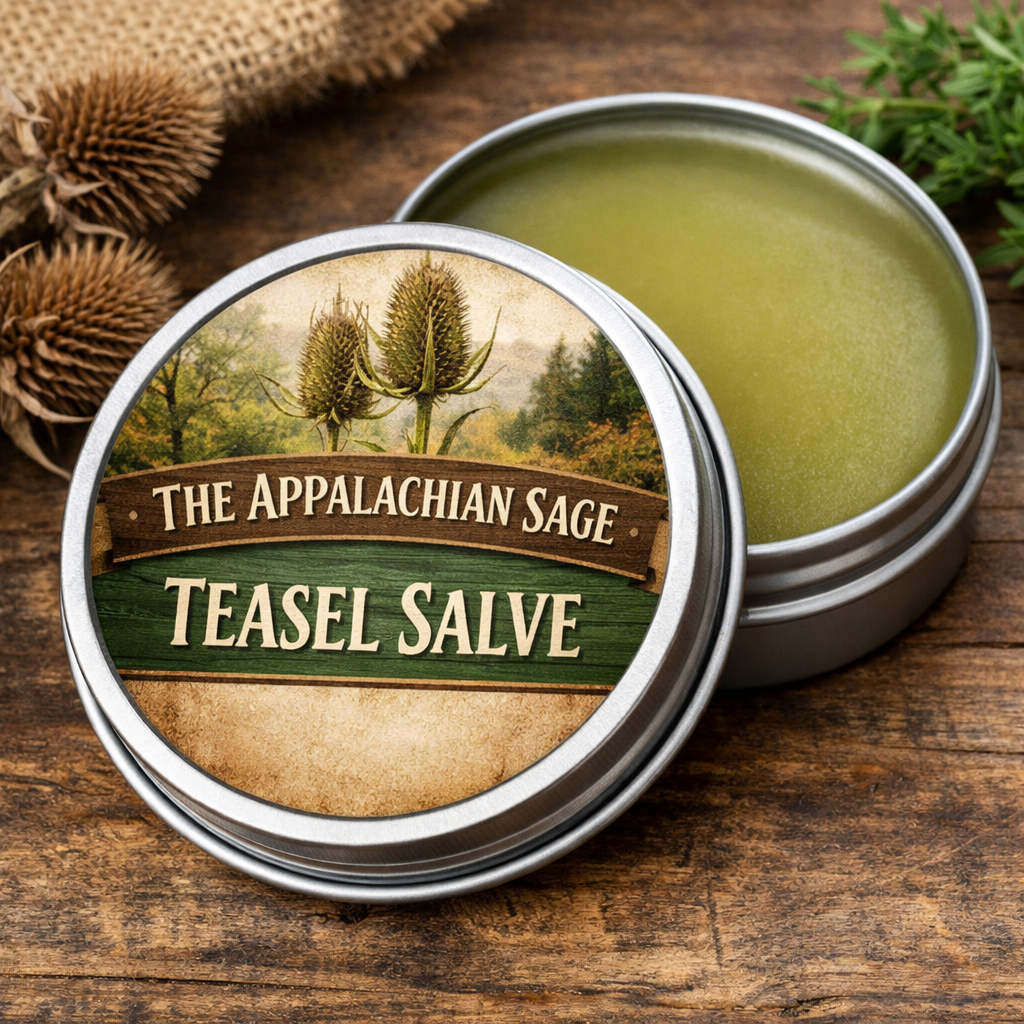
3. Teasel Root Salve (Topical Support)
Used for muscle tension, joint tightness, or tired legs.
Ingredients:
- 1 cup teasel root–infused oil
- 1 oz beeswax
- Optional: lavender, rosemary, or ginger essential oil
Instructions:
- Warm infused oil and beeswax until melted.
- Remove from heat and add essential oils if desired.
- Pour into tins or jars.
- Let cool completely.
Additionally, teasel salve is often used by massage therapists for structural support and warming circulation.
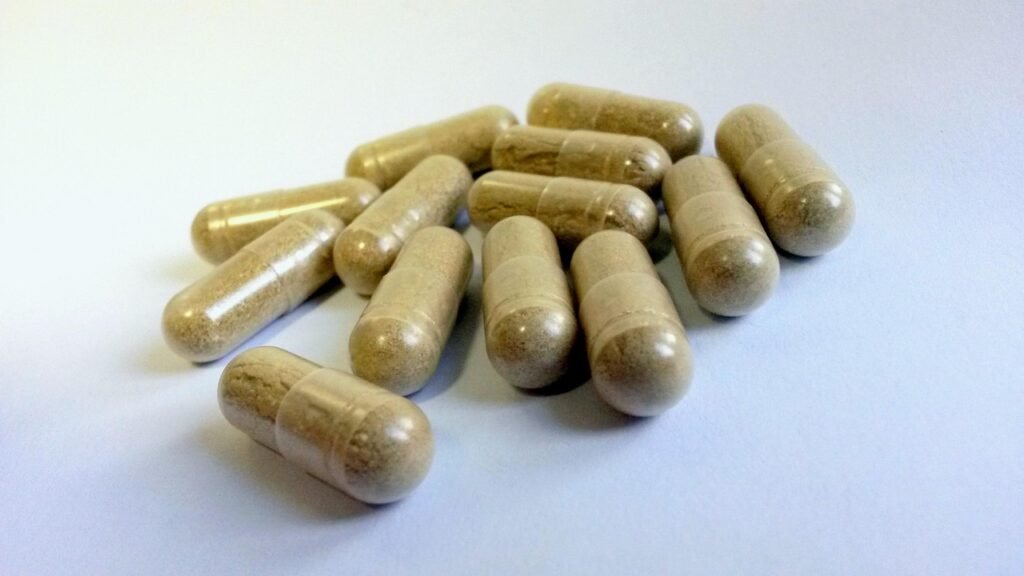
4. Powdered Teasel Root Capsules
Many herbalists grind dried teasel root and encapsulate it in “00” capsules for slow, steady use.
This method is favored by individuals who cannot tolerate alcohol-based tinctures.
Other Uses of Teasel (Beyond Herbal Healing)
1. Textiles & Wool Carding (Traditional European Use)
Historically, teasel heads were used to comb, raise, and finish wool cloth.
This gave the plant its association with “teasing” fibers — hence the name.
2. Wildlife Foraging
Goldfinches and other wild birds feed on dried seed heads in winter.
3. Dried Flower Arrangements
Teasel’s striking seed heads are popular in Appalachian and rustic floral decor.
4. Natural Dye
Roots and leaves can produce earthy yellows and tan tones.
Conclusion
Teasel root stands as one of the most fascinating, misunderstood herbs in the wild landscape. Despite its prickly exterior, it holds a deep reservoir of supportive compounds long valued for their ability to encourage circulation, structural integrity, and whole-body resilience. Whether prepared as tea, tincture, capsules, or salve, teasel remains a shining example of traditional folk wisdom meeting modern herbal practice.
If you enjoy stories like this, you’ll love the other life lessons & memories I’m sharing on The Appalachian Sage. …………And if you’re ever in the mood to browse something pretty, you can stop by my Etsy shop, The Appalachian Sage Shop, where I pour the same love and kindness into each design.