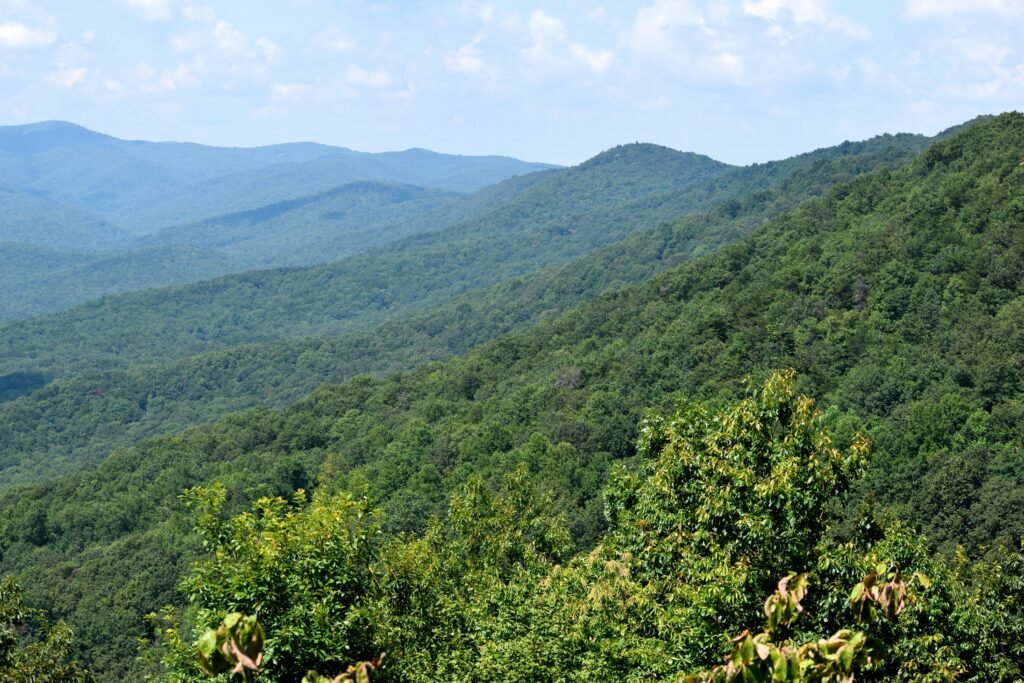
There is a divide in Appalachia, and anyone being honest can see it.
There are real pockets of poverty. There is real addiction. There are places where neglect, hopelessness, and generational decline have taken root. There are communities that have been deeply wounded by drugs, economic collapse, lack of opportunity, and broken systems. To pretend otherwise would be dishonest.
But there is another side to Appalachia too — a side that far too many videos, documentaries, and online portrayals either ignore or bury under the shock value of the worst scenes they can find.
That is the Appalachia I want to talk about.
Because the people of Appalachia are not one flat stereotype. They never have been.
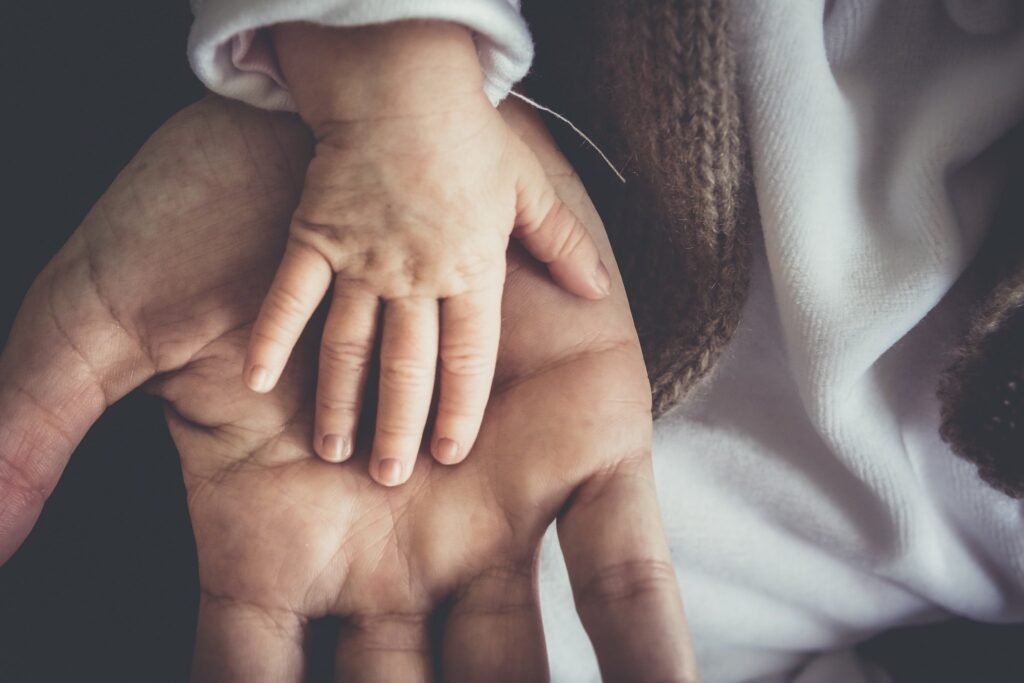
For centuries, mountain families survived by grit, faith, hard work, family loyalty, practical knowledge, and deep connection to the land. These were people who raised gardens, canned food, mended what they had, worked the mines, worked the timber, worked the farms, kept family close, and passed down knowledge that modern society barely values anymore. They knew how to stretch a dollar, save seed, doctor common ailments, preserve food, butcher meat, build a fence, patch a roof, and carry each other through hard winters and lean seasons.
That legacy is real.
And it is painful to watch Appalachia portrayed over and over as though its truest face is found only in dirty yards, broken porches, drug abuse, ignorance, and despair.
Yes, those things exist. But they are not the whole story.
The problem is that the ugliest version of Appalachia gets attention. It gets clicks. It gets views. It gets used as visual proof of backwardness, failure, and decay. And little by little, that repeated image begins to stain the name of the good people who still live with dignity in those mountains.
The clean homes are not filmed as often.
The hardworking elders are not sensational enough.
The quiet family loyalty, old wisdom, practical intelligence, and self-respect of decent mountain people rarely go viral.
But that side of Appalachia is there. It has always been there.
What has changed in many places is not the worth of the people, but the conditions around them.
Coal mines closed.
Jobs disappeared.
Stores shut down.
Opportunities dried up.
Young people with ambition often left because they had to. Many of those who stayed found themselves in regions hollowed out by economic decline, poor educational access, addiction, and despair. In too many communities, hope itself began to thin out. And once hope goes, everything else starts to suffer with it.
That decline is real, and it has left scars.
Still, there are people in Appalachia who never gave themselves over to disorder. There are families who remained clean, capable, disciplined, and proud. There are elders carrying priceless knowledge. There are men and women who worked themselves to the bone trying to keep their homes up, food on the table, and some kind of dignity alive.
There are people who may not have had wealth, but they had standards. They had self-respect. They had values. They had order. They had pride in how they kept their homes, raised their children, and carried themselves in the world.
Those people deserve to be seen too.
Appalachia should not be romanticized, and it should not be mocked.
It should be told truthfully.
Truthfully means admitting the damage done by drugs, neglect, dependency, and generational decline. Truthfully also means honoring the families who built their lives on work, sacrifice, family bonds, and survival knowledge that was earned the hard way.
Truthfully means recognizing that some parts of Appalachia are suffering badly, while other parts still carry a quiet nobility that outsiders often miss completely.
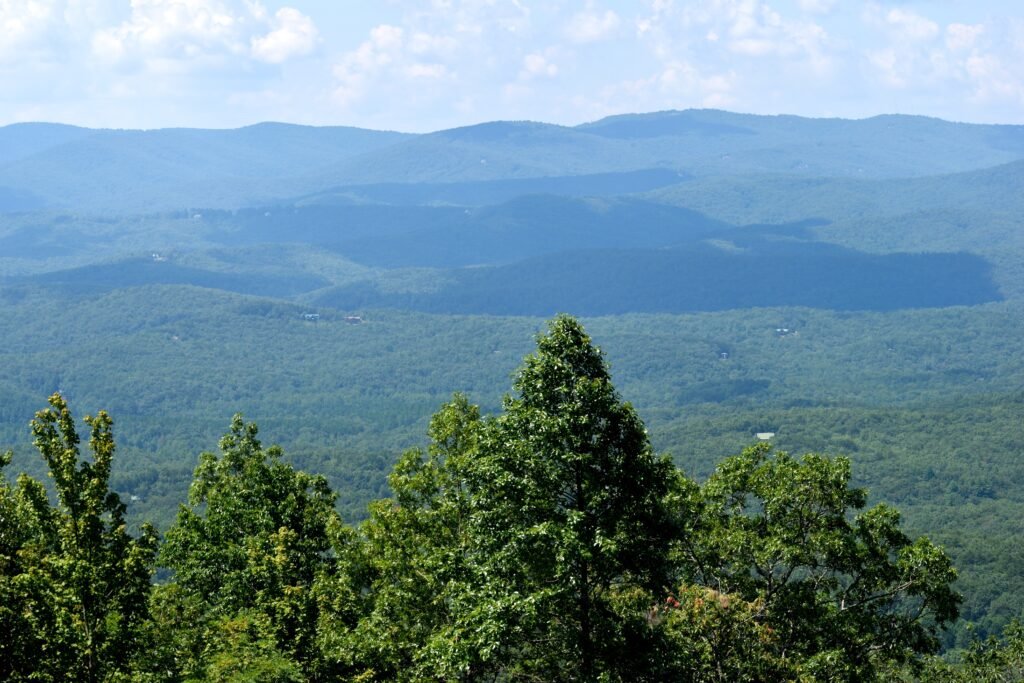
There is more in these mountains than dysfunction.
There is wisdom here.
There is memory here.
There is skill here.
There is grit here.
There are bloodlines of hardworking people who contributed to this country, fed their families, worked dangerous jobs, and kept going when life gave them very little ease.
That is Appalachia too.
And frankly, more people ought to show it.
Show the woman who keeps a clean house, grows herbs, and still knows how her grandmother canned beans.
Show the old man who worked the mines and still remembers how to do three jobs modern men cannot do.
Show the family that stayed decent in a place that gave them every excuse not to.
Show the porch talks, the work ethic, the cooking, the gardens, the faith, the fixing, the making-do, the neighborly help, the mountain humor, the endurance, and the dignity.
Show the people who cared.
Because when Appalachia is only shown at its most broken, the world starts to believe brokenness is all it has ever been.
It is not.
Appalachia has wounds, yes. But it also has worth.
And some of us are tired of seeing only the wounds put on display while the worth is ignored.
The future of Appalachia will not be helped by shaming all of it, stereotyping all of it, or reducing an entire region to its dirtiest corners. It will be helped by truth, by honest storytelling, by restored pride, by practical opportunity, and by people willing to honor what was good while refusing to celebrate what is destroying it.
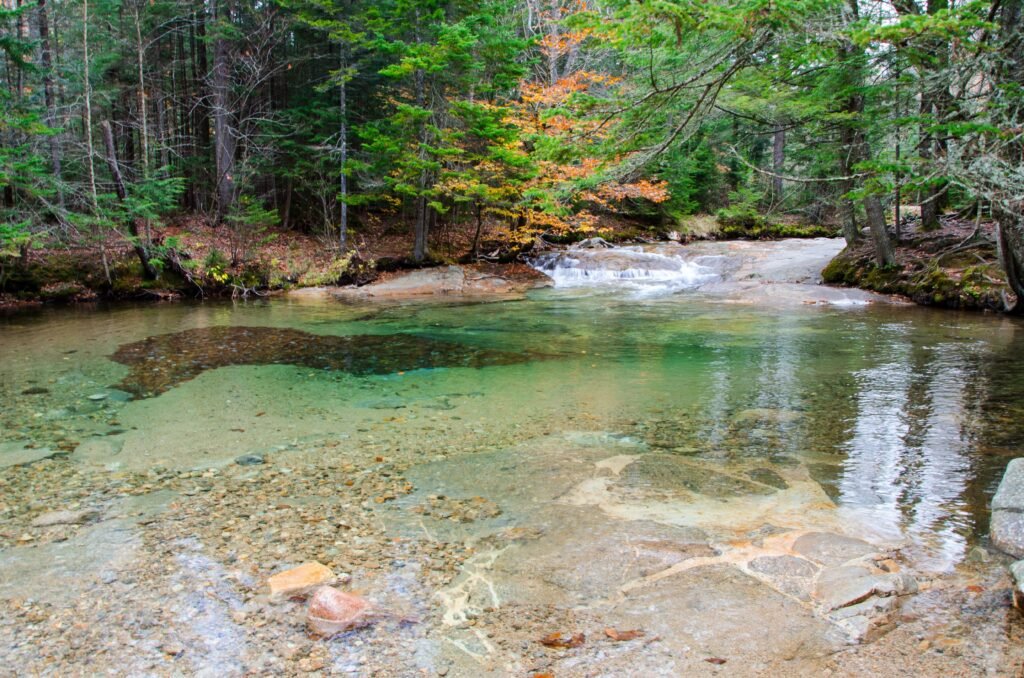
The mountains deserve better than mockery.
And the good people who still call Appalachia home deserve better too.
If you enjoy stories like this, you’ll love the other life lessons & memories I’m sharing on The Appalachian Sage. …………And if you’re ever in the mood to browse something pretty, you can stop by my Etsy shop, The Appalachian Sage Shop, where I pour the same love and kindness into each design.