By Hannah Cedars — The Appalachian Sage
SALT ISN’T AN HERB, BUT ITS ONE OF THE MOST IMPORTANT SUBSTANCES IN YOUR HOME…. IT WAS SO IMPORTANT, IT IS MENTIONED OVER 40 TIMES IN THE BIBLE. Yes, Salt is referenced about 40 times in the Bible, depending on the translation (KJV, NIV, ESV, etc.). Most scholars place the number between 35 and 40, but 40 is the commonly accepted estimate.
Here are the major types of references:
1. Salt as a Symbol of Covenant
- “A covenant of salt” appears several times — meaning something binding, permanent, and preserved by God.
2. Salt as Purification & Sacrifice
- Offerings in the Old Testament were required to be seasoned with salt.
3. Salt as Judgment
- Lot’s wife turning into a pillar of salt (Genesis 19:26).
- Destroyed lands described as salted and barren.
4. Salt as Necessity of Life
- Job mentions food being tasteless without salt.
5. Salt as Influence
- Jesus’ teaching: “You are the salt of the earth.”
Most Famous Verses About Salt
Here are some of the best-known:
Colossians 4:6 — Speech should be seasoned with salt.
Genesis 19:26 — Lot’s wife becomes a pillar of salt.
Leviticus 2:13 — All offerings must be seasoned with the “salt of the covenant.”
2 Chronicles 13:5 — God’s covenant with David is called a covenant of salt.
Matthew 5:13 — “You are the salt of the earth.”
Mark 9:50 — “Have salt in yourselves.”
Salt has followed humankind across deserts, mountains, oceans, and centuries. Long before medicine bottles lined drugstore shelves, salt was carried in saddlebags, tucked into root cellars, and kept in small crocks near every hearthfire as one of the most powerful and dependable remedies known to our ancestors. Mountain women prized salt for the same reasons ancient Egyptians, Greeks, and Chinese healers did — its remarkable ability to cleanse, draw out infection, ease inflammation, preserve life, and restore balance to a weary body.
Salt’s story is woven into the history of civilization itself. Romans paid soldiers in salt rations. Hebrew scripture considered salt a symbol of purity and permanence. In Europe, salt caravans were guarded more fiercely than gold. By the time the first homesteads took root in the Appalachian foothills, salt was already understood as both a physical healer and a spiritual purifier. Old-time healers said, “Salt don’t just season food — it seasons life. It keeps the good in and the rot out.” Science now confirms what the ancestors already knew: salt creates environments where harmful microbes struggle, where wounds stay clean, and where the body’s own chemistry can restore itself.
Why Salt Heals: The Science Behind the Tradition
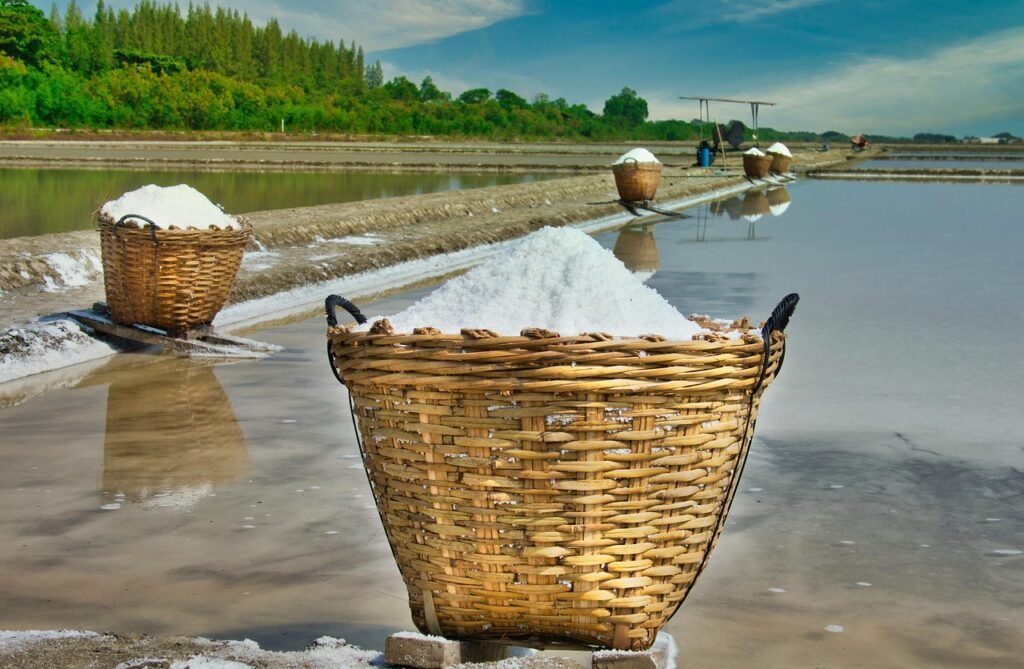
At its core, salt is sodium chloride (NaCl) — the simplest mineral pairing on earth, yet one of the most essential. Sodium and chloride ions help regulate:
- Nerve signals
- Muscle movement
- Hydration and fluid balance
- pH levels
- Cellular nutrient transport
When salt is applied to the body, something remarkable happens. Through osmosis, salt naturally pulls excess fluid out of swollen or infected tissue. This action reduces inflammation, cleanses wounds, and makes it difficult for bacteria to multiply. Modern medicine uses sterile saline for these same reasons — it cleans, calms, and supports natural healing processes without damaging tissue.
Salt also possesses mild antibacterial properties, which help prevent infection. Its mineral ions soothe irritated skin, reduce mucus thickness, and improve circulation. From a scientific standpoint, salt is both a preservative and a restorative, strengthening the body’s natural defenses while discouraging decay.
Where Old Appalachian Salt Came From
Salt was precious in the mountains. Families relied on three main sources:
1. Local Salt Licks & Salt Springs
Eastern Kentucky, West Virginia, Tennessee, and Virginia all contain natural salt licks and brine springs. Settlers boiled down this brine to create coarse, mineral-rich salt. These springs were important gathering places for wildlife and Indigenous tribes long before European settlers arrived.
2. Salt Mines & The Kanawha Saltworks (WV)
Beginning in the late 1700s, the Kanawha Valley became one of America’s great salt-producing regions. Families purchased large sacks of this salt for cooking, curing meat, and medicine.
3. Imported Salt Blocks & Trade Salt
General stores stocked heavy sacks of unrefined salt shipped from the Atlantic coast or imported from the Bahamas and Europe. This salt was often gray, slightly damp, and rich in minerals.
How Old-Time Salt Compared to Today’s Salt
Traditional Appalachian Salt
Salt from springs and mines was minimally processed and contained naturally occurring minerals like:
- Magnesium
- Calcium
- Potassium
- Trace iron
- Sulfates
- Carbonates
This gave old salt a varied texture and a slightly briny or earthy flavor.
Average mineral composition of old Appalachian salt (estimate from historical analyses):
- 85–95% sodium chloride
- 5–15% natural minerals
Modern Table Salt
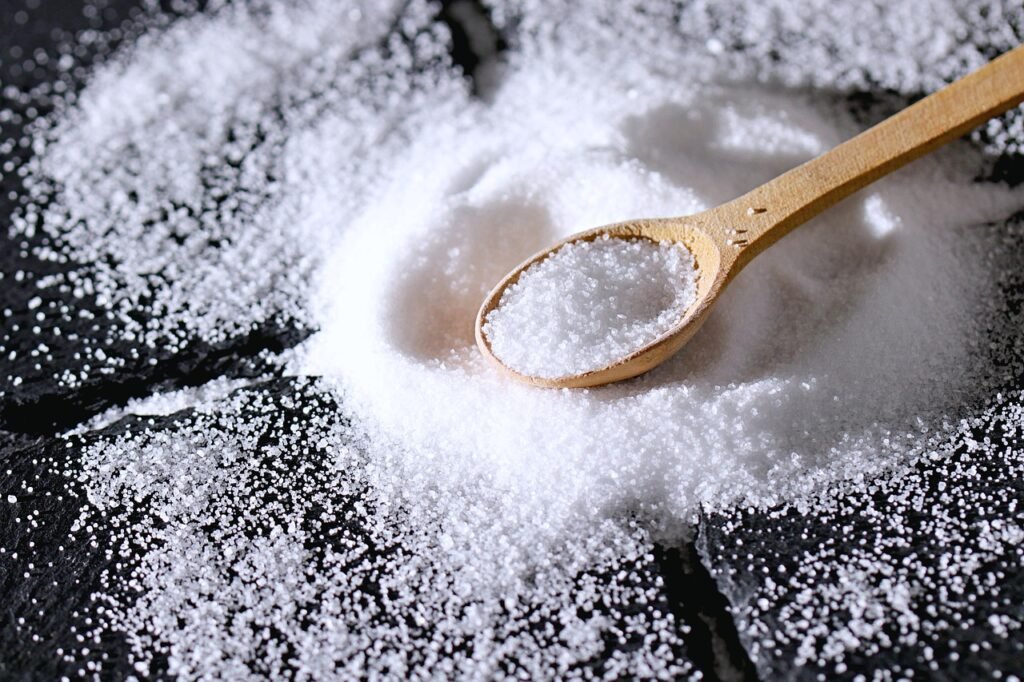
Today’s commercial salt is:
- 97–99% sodium chloride
- Highly refined
- Stripped of nearly all minerals
- Often mixed with anti-caking agents
- Sometimes iodized
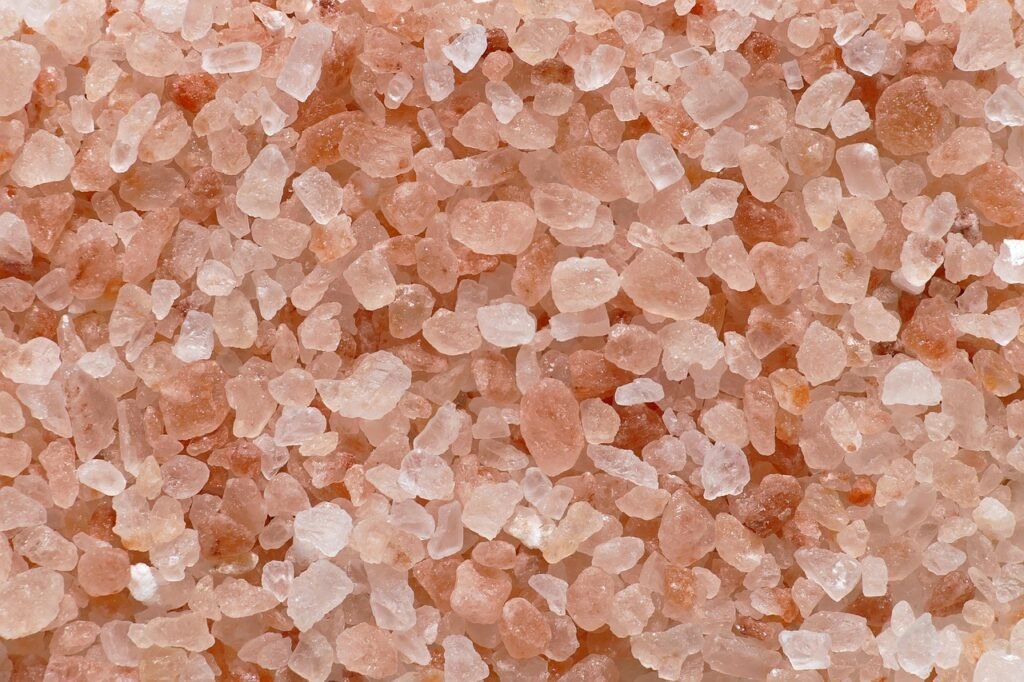
For healing purposes, coarse sea salt or mineral salt most closely matches what Appalachian healers used.
Old Appalachian Healing Work with Salt
Mountain medicine women used salt as a first line of defense for the sick, injured, and weary. Whether tending to a child’s sore throat, a hunter’s sprained ankle, or a farmer’s aching muscles, salt was a dependable ally in nearly every cabin.
Below are six traditional remedies drawn from mountain practice — rewritten clearly for modern readers while maintaining their original spirit.
Six Traditional Appalachian Salt Remedies
1. Saltwater Gargle for Sore Throats
My Maw (grandmother (Lucy)) had me gargle a cup of warm salt for a sore throat a many a time….many a time…. I can still recall the taste of those warm salt gargles…. That’s how I learned to gargle for the first time… Knowing how to gargle is actually something the younger generations don’t even know how to do today. lol… 🙂
Ingredients:
- 1 teaspoon coarse salt
- 1 cup warm water
Directions:
Dissolve salt into warm water and gargle deeply for 20–30 seconds. Repeat several times a day.
Purpose:
Reduces inflammation, kills bacteria, loosens mucus, and soothes swollen tissues.
2. Hot Salt Poultice for Sprains, Bruises & Joints
Ingredients:
- ½ cup coarse salt
- Clean cotton cloth
- Warm water (optional)
Directions:
Warm the salt in a dry skillet until hot but not scorching. Pour into cloth and wrap securely. Apply to the injured area for 15–20 minutes.
Purpose:
Draws out fluid, reduces swelling, improves circulation, and eases deep aching.
3. Salt & Vinegar Compress for Inflammation
Ingredients:
- 2 tablespoons salt
- ¼ cup warm apple cider vinegar
Directions:
Mix salt into vinegar, soak a cloth in the solution, and apply to inflamed skin or swollen joints.
Purpose:
The combination of acid and salt tightens tissue, lowers inflammation, and cleanses the area.
4. Salt Foot Bath for Exhaustion & Aches
Ingredients:
- 2–3 tablespoons salt
- Basin of hot water
Directions:
Soak the feet for 15–30 minutes.
Purpose:
Draws out fatigue, eases muscle tension, encourages blood flow, and soothes cracked or irritated skin.
5. Salt & Herb Drawing Paste (for stings or splinters)
Ingredients:
- 1 tablespoon salt
- 1 tablespoon crushed plantain or jewelweed
- Enough warm water to form a paste
Directions:
Apply paste directly to sting or splinter site and cover with cloth. Leave on for 30–60 minutes.
Purpose:
Salt draws out venom or foreign material; herbs soothe and reduce irritation.
6. Salt Bath for Muscle Pain, Nervous Tension & Skin Healing
Ingredients:
- 1–2 cups coarse salt
- Warm bathwater
Directions:
Soak 20–30 minutes.
Purpose:
Relieves deep muscle soreness, calms the nervous system, softens the skin, and encourages toxin release through osmosis.
Salt as Purifier, Preserver & Protector
Across the mountains, salt did not only heal the body — it was believed to guard the home. Salt sprinkled across thresholds or around barns was meant to keep illness, misfortune, and malevolent influences at bay. Midwives placed a pinch of salt in the cradle for newborn protection. Folk healers added salt to water used in cleansing rituals or to banish “bad luck sickness.” These beliefs mirror earlier traditions from Europe, Africa, and the Middle East, showing the deep spiritual significance of salt in human life.
Closing Thoughts
Salt is simple, yet its healing power runs deep. It draws out what harms us, preserves what keeps us alive, and restores balance to the weary body. In the mountains, this humble mineral earned its place beside herbs like plantain, comfrey, and sassafras as a cornerstone of practical healing. Whether in a warm poultice, a soothing bath, or a humble kitchen gargle, salt carries the wisdom of centuries — a reminder that sometimes the greatest healing tools are the ones already in our hands.
If you enjoy stories like this, you’ll love the other life lessons & memories I’m sharing on The Appalachian Sage. …………And if you’re ever in the mood to browse something pretty, you can stop by my Etsy shop, The Appalachian Sage Shop, where I pour the same love and kindness into each design.