By Hannah Cedars — The Appalachian Sage
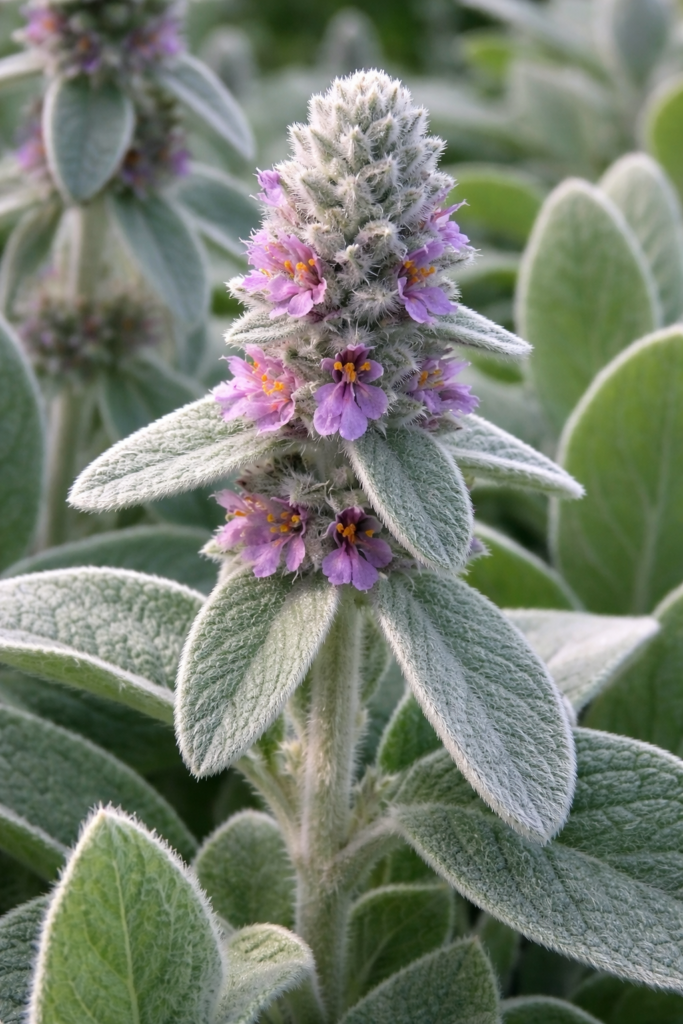
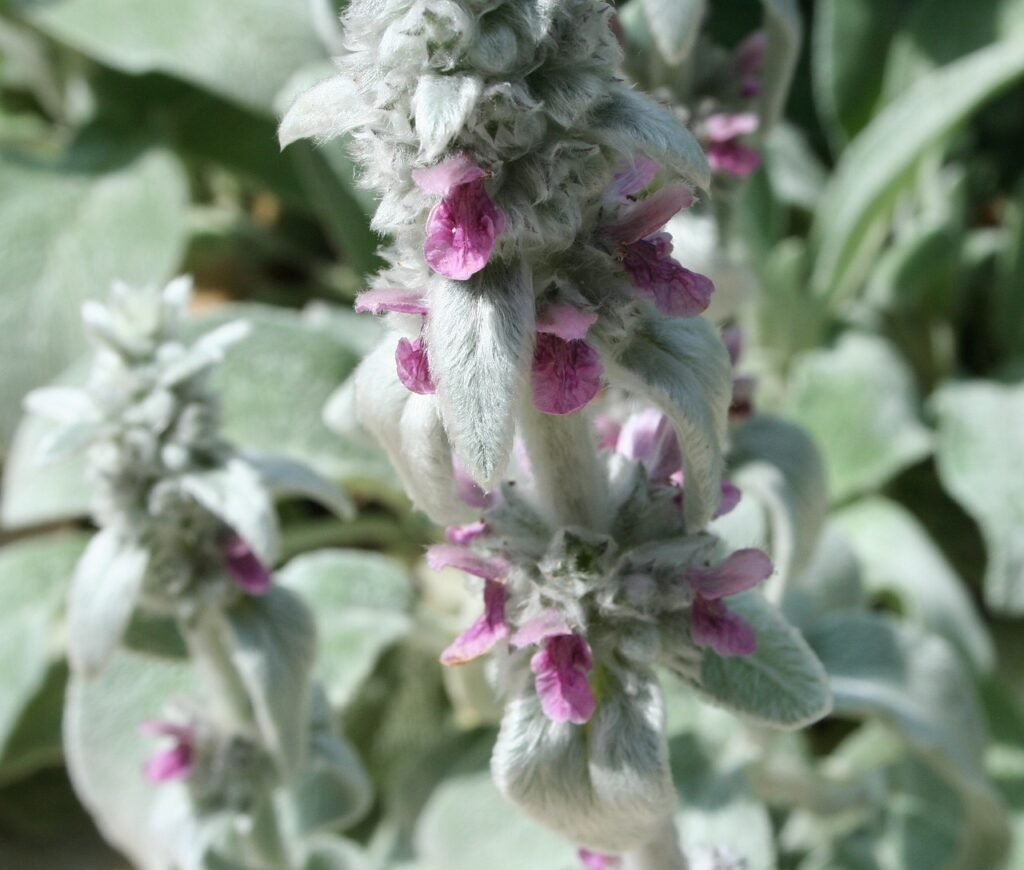
Lamb’s Ear (Stachys byzantina) is one of those plants that looks almost too pretty to have a purpose, yet mountain families treasured it for centuries. Its velvety silver leaves, soft as a newborn lamb’s ear, made it a beloved bedding plant along walkways, porch steps, and kitchen gardens. But behind that gentle appearance lies a surprisingly powerful folk-medicine history — especially in rural America and the old mountain homesteads.
Though Lamb’s Ear didn’t originally come from Appalachia, it naturalized so beautifully that many families simply assumed it had always been part of mountain herb lore. Women planted it near their doors so children could run their hands across it as they played, and so its soft, cool leaves were close at hand for cuts, scrapes, and bee stings. Over time, Lamb’s Ear became an everyday “comfort herb” — one of those quiet little healers you didn’t brag about, but always wanted nearby.
Old-Time Uses: The Mountain Healer in Disguise
1. Nature’s Bandage
Long before adhesive bandages existed, mountain families used Lamb’s Ear leaves as a natural dressing.
- They’re absorbent,
- Antimicrobial,
- and soft enough to wrap around tender skin.
Herbal midwives used them to pad wounds, soothe burns, or line cloth bandages for extra comfort.
2. Comfort for Small Cuts and Scratches
Children in the mountains were rough and tumble, running barefoot through creeks and briar patches. Lamb’s Ear was the “instant pick-me-up” leaf a mother could press over a scrape to calm the sting and slow bleeding.
3. A Soothing Leaf for Bee Stings & Insect Bites
When applied fresh, the plant’s cool, fuzzy texture helps reduce irritation. Some families crushed the leaf slightly to bring out more of its soothing juice.
4. Folk Use for Earache & Women’s Comfort
In certain communities, warm Lamb’s Ear leaves were placed behind the ear to ease discomfort, or layered inside cloth pads for soothing women’s issues. This wasn’t a cure — just gentle, nurturing relief.
Why Lamb’s Ear Works: A Quick Look Inside
While not a major pharmacological herb, Lamb’s Ear contains:
- Mild antiseptic compounds
- Anti-inflammatory properties
- Wool-like fibers that protect the skin
Think of it as a soft botanical first aid helper — not a strong medicine, but a comforting ally.
Growing Lamb’s Ear in an Appalachian Garden
Lamb’s Ear thrives in the same kind of places mountain folk love:
- Full sun or light shade
- Well-drained soil
- Rocky garden beds or pathways
- Drought-tolerant once established
It spreads gently and fills in spaces with a silvery softness that makes any garden feel peaceful and old-fashioned.
Folklore: A Symbol of Gentleness & Protection
Some old herbalists believed Lamb’s Ear protected children from harm if planted near the front steps. Others said its soft leaves reminded mothers to “speak gentle” and “walk soft” when life got heavy. Whether symbolic or practical, Lamb’s Ear became a quiet emblem of comfort in rural herb gardens.
Modern Uses (and Cautions)
Lamb’s Ear is wonderful for:
- First aid in the garden
- Gentle wound padding
- Crafting natural bandages
- Making children’s herbal teaching gardens
- Dry arrangements and altar spaces
Not recommended for deep infections, serious wounds, or as an internal medicine.
Always clean the skin before applying any natural dressing.
Where Lamb’s Ear Originally Came From
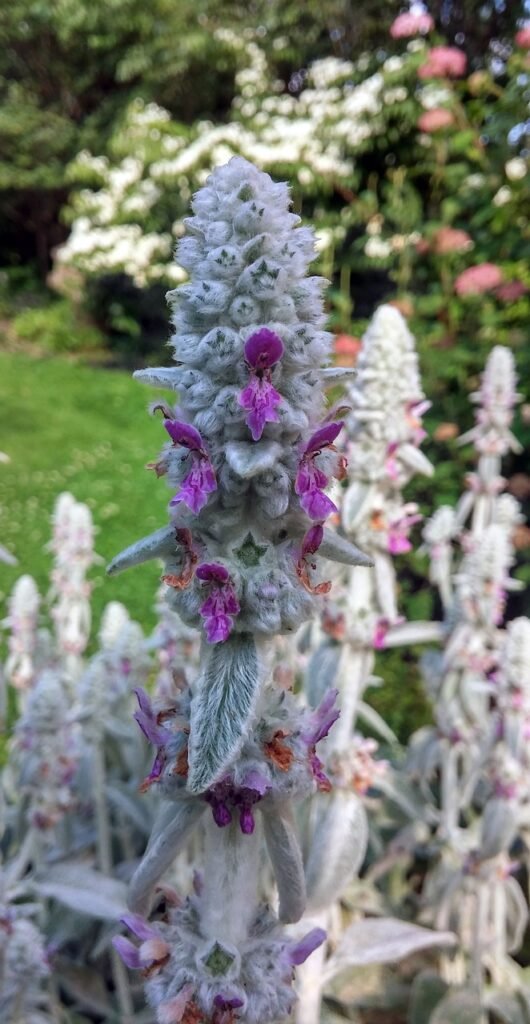
Lamb’s Ear is not native to America — it comes from the Old World, specifically:
Turkey
Armenia
Iran (Persia)
The Caucasus Mountains
Southern Russia
Parts of the Middle East
This region is known for rocky slopes, dry summers, and plenty of sun — which explains why Lamb’s Ear thrives so well in poor soil, heat, and drought.
It spread across Europe centuries ago through monastery gardens, trade routes, and travelers who prized its soft leaves.
Countries Where Lamb’s Ear Naturalized
Over time, Lamb’s Ear became common and beloved in:
England & Scotland
Grown in cottage gardens for centuries. Children played with the soft leaves, and women used it in herbal poultices.
Greece & the Balkans
Used by shepherds as a field dressing for cuts and scrapes while watching over sheep and goats.
Romania, Bulgaria, and Serbia
Known in folk medicine as a “wound leaf.” Also associated with comfort and protection.
Italy
Appeared in monastery herb gardens as a wound-soothing plant.
France & Germany
Used in early natural bandages and poultices for sores, swelling, and bruises.
Eventually, emigrants brought it to colonial America, and by the time the 1800s rolled around, it was growing in homestead gardens throughout Appalachia — not as a wild plant, but as a treasured, useful ornamental.
Traditional Uses in Other Cultures
Here’s the beautiful part — so many old cultures used it in nearly the same ways mountain families did later.
Turkey & Armenia – The Original Herbal Use
In its homeland, Lamb’s Ear was used for:
- Dressing wounds
- Stopping bleeding
- Soothing skin irritation
- Lining sandals to ease blister irritation (yes — a natural foot cushion!)
It was also a symbol of gentleness in some rural communities.
Greece – The Shepherd’s Bandage
Greek shepherds carried it as an all-purpose field dressing.
The soft, absorbent leaves worked like:
- Padding for wounds
- Cool compresses
- Absorbent wound covers
They also believed the plant had a protective energy, often using it in folk blessings.
England – Cottage Garden Herb
English women called it:
- “Woolly woundwort”
- “Hedge lamb’s ear”
They used it for:
- Wound poultices
- Absorbent dressings
- Cooling irritated skin
Victorian women even lined slippers with the leaves for comfort.
Romania & Bulgaria – Folk Medicinal Uses
Eastern European healers used Lamb’s Ear for:
- Soothing aching joints
- Compresses for inflammation
- Gentle wound care
- Soft drying cloths for babies
It was so valued that it often grew near the doorway of healers and midwives.
Why Appalachian People Took to It So Quickly
Lamb’s Ear arrived in America through European settlers, and mountain families embraced it because:
- It grew easily in rocky mountain soil
- The leaves felt like “heaven’s cloth” for wounds
- It looked beautiful along cabin paths
- It was safe, gentle, and comforting
It fit perfectly into the old-time values of practical beauty — a plant that was both pretty and useful.
Short Summary for Your Blog
Lamb’s Ear originated in the Middle East and the Caucasus region, spreading to Europe long before it reached America. Cultures from Turkey to England used it as a natural bandage, wound compress, and comfort herb. By the 1800s, Appalachian families grew it as a soft-healing garden plant that soothed scrapes, bee stings, and small injuries. Though not native to the mountains, it naturalized so well that many assumed it had always belonged there.
Closing Thoughts
Lamb’s Ear is more than a pretty plant — it’s a living reminder of the simple, practical healing wisdom mountain families relied on. It teaches us that medicine doesn’t have to be harsh or complicated. Sometimes, the softest things in the garden carry the deepest comfort.
If you enjoy stories like this, you’ll love the other life lessons & memories I’m sharing on The Appalachian Sage. …………And if you’re ever in the mood to browse something pretty, you can stop by my Etsy shop, The Appalachian Sage Shop, where I pour the same love and kindness into each design.